


What are the benefits and risks of crawling exercises for the body?
Mar 13, 2025
Source: Cainiu Health

Dr. Yang Ziqi
Introduction
Under normal circumstances, crawling exercises offer benefits such as enhancing cardiopulmonary function, improving spinal pressure, strengthening upper limb muscles, promoting blood circulation, and improving body coordination. However, potential adverse effects include wrist joint strain, increased burden on the neck, greater knee wear, impaired breathing, and a tendency to experience dizziness or discomfort. If any discomfort occurs, it is recommended to seek medical attention promptly.
Generally speaking, the benefits of crawling exercise for the body include enhancing cardiopulmonary function, improving spinal pressure, strengthening upper limb muscles, promoting blood circulation, and enhancing body coordination, while the potential harms include wrist joint injuries, increased burden on the neck, increased knee wear, impaired breathing, and susceptibility to dizziness and discomfort. If discomfort occurs, timely medical attention is recommended. A detailed analysis is as follows:
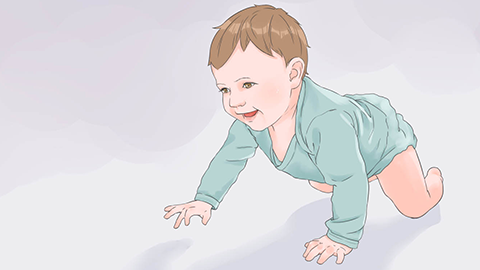
I. Benefits
1. Enhancing cardiopulmonary function
During crawling, the body's oxygen demand increases, causing the heart to beat faster and breathing to quicken. Similar to running, when the body's metabolism accelerates, the heart and lungs must work harder. Practicing crawling regularly can strengthen the heart and lungs, gradually improve cardiopulmonary function, and reduce the risk of cardiovascular diseases.
2. Improving spinal pressure
Normal upright walking places significant pressure on the spine, especially the lumbar and cervical vertebrae, which are prone to problems. When crawling, the pressure on the spine is distributed, and the body assumes a horizontal position, reducing vertical spinal loading. For people who work at desks for long periods, crawling can relieve spinal fatigue and help prevent spinal deformities such as scoliosis.
3. Strengthening upper limb muscles
During crawling, the upper limbs must support the body's weight and propel it forward. This is similar to doing push-ups, continuously exercising the upper limb muscles. Regular crawling effectively strengthens the upper limbs, develops arm muscles, and enhances arm flexibility and stability.
4. Promoting blood circulation
Crawling changes the body's posture, altering blood distribution. All body parts receive more adequate blood supply, especially the head. Just as inversion increases blood flow to the head, crawling also improves cerebral circulation, making the mind clearer and enhancing mental agility.
5. Enhancing body coordination
Crawling requires coordination of hands and feet to maintain body balance. This necessitates constant coordination of limb movements by the brain, similar to dancing, which requires coordination of various body parts. Long-term crawling practice can effectively enhance body coordination, improve balance, and increase reaction speed.
II. Harms
1. Wrist joint injury
During crawling, the wrists bear most of the body's weight and are frequently used. If the posture is incorrect or crawling lasts too long, excessive pressure on the wrist joints can easily cause conditions such as tenosynovitis. Similar to the wrist damage caused by prolonged typing, excessive wrist loading during crawling can cause similar injuries.
2. Increased burden on the neck
Drawing the neck upward to maintain forward vision during crawling keeps the neck muscles in a tense state for long periods. Over time, this may lead to neck muscle strain and cervical spine pain. Just as prolonged phone use harms the cervical spine, excessive neck extension during crawling also has adverse effects on the neck.
3. Increased knee wear
During crawling, the knees contact the ground, bearing the body's weight and constantly bending and extending. Uneven ground or improper crawling techniques can easily injure the knee cartilage and meniscus. For example, kneeling for long periods during work damages the knees; similarly, frequent knee loading during crawling may cause knee pain and arthritis.
4. Impaired breathing
The crawling posture may restrict normal chest expansion, reducing breathing space. Especially during fast crawling or high-intensity exercise, this can cause difficulty breathing and affect oxygen intake. Similar to how slouching impairs breathing, incorrect crawling posture also adversely affects respiratory function.
5. Susceptibility to dizziness and discomfort
Crawling alters the body's blood circulation pattern, which some people may struggle to adapt to. Especially when transitioning quickly from an upright posture to crawling, or standing up suddenly after crawling, insufficient cerebral blood supply can easily cause symptoms such as dizziness and visual darkening.
It is recommended to exercise moderately to induce perspiration and promptly clean the hair and scalp after exercise. Additionally, pay attention to changes in individual physical condition and scalp health, and appropriately adjust exercise and hygiene practices accordingly.






