


Can sand in the ear come out on its own?

In most cases, sand that enters the ear can be naturally expelled by the body. However, if the ear canal is narrow, the sand is lodged deeply, or there is an existing ear condition, it may be difficult for the sand to be expelled on its own. If any abnormalities occur, timely medical attention is recommended. Detailed explanation is as follows:
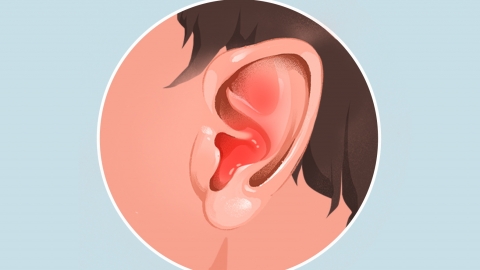
The external ear canal has a certain self-cleaning ability. When sand enters the external ear canal, it often gradually moves outward with movements of the head, chewing, and other activities, and eventually exits the body naturally.
However, when the ear canal is narrow, the sand may become lodged inside the canal and be difficult to dislodge. If the sand enters deeply and is close to or touches the eardrum, spontaneous removal becomes more difficult. Additionally, if the patient has existing ear conditions, such as otitis media or a perforated eardrum, the sand may enter deeper areas like the middle ear, further increasing the difficulty of spontaneous removal. In such cases, patients should seek prompt medical attention. A professional physician should use specialized instruments to remove the sand, to avoid causing damage to the ear canal or eardrum.
If sand enters the ear, do not attempt to clean the ear canal using cotton swabs, tweezers, or other tools, as this may cause further injury to the ear canal or eardrum. If the sand does not come out on its own after a prolonged period or if symptoms such as ear pain or hearing loss occur, prompt medical attention should be sought.


