


Can I eat spicy food during periods of increased salivation?

Whether or not one can consume spicy food during periods of increased salivation generally depends on the underlying cause of the increased salivation and the individual's physical condition. If the increased salivation is due to normal physiological reactions, such as eating certain foods, and the individual has good gastrointestinal function, consuming spicy food may be acceptable. However, if excessive salivation is caused by pathological factors, accompanied by conditions such as indigestion or gastroesophageal reflux, consuming spicy food is not recommended. Detailed explanations are as follows:
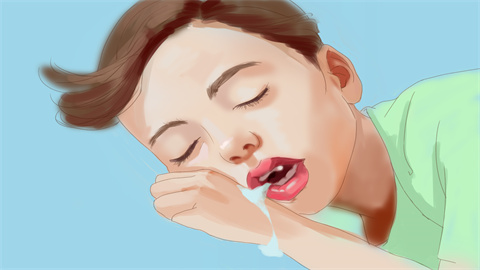
If the increased salivation is triggered by normal physiological responses, such as consuming certain foods like pickled plums or lemons, or smelling food aromas, and the individual has good gastrointestinal function without digestive diseases such as gastritis or peptic ulcer, moderate consumption of spicy foods is usually acceptable. However, one should control the level of spiciness to avoid excessive irritation to the oral and gastric mucosa.
However, if the increased salivation is caused by pathological conditions such as oral ulcers, stomatitis, or indigestion, more attention should be given to dietary management. In such cases, consuming spicy foods is not advisable. Spicy foods can not only stimulate the salivary glands, worsening the symptom of excessive salivation, but also irritate the oral mucosa, exacerbating mucosal damage and hindering recovery. Additionally, for individuals with conditions such as indigestion or gastroesophageal reflux, consuming spicy foods may increase the burden on the gastrointestinal tract, worsening gastrointestinal discomfort.
In daily dietary habits, it is recommended that individuals consume appropriate amounts of food according to their taste preferences and needs, ensuring a balanced and nutritious diet to meet personal nutritional requirements.


