What is the function of capillaries in the small intestine?
Mar 13, 2025
Source: Cainiu Health

Dr. Shen Yonghua
Introduction
Under normal circumstances, the functions of capillaries in the small intestine include nutrient absorption, supply of oxygen and nutrients, removal of metabolic waste, circulation of immune cells, and maintenance of microcirculatory balance. The functions of capillaries in the small intestine involve multiple aspects, including nutrient absorption, supply of oxygen and nutrients, removal of metabolic waste, circulation of immune cells, and maintenance of microcirculatory balance.
Under normal circumstances, the functions of capillaries in the small intestine include nutrient absorption, supply of oxygen and nutrients, removal of metabolic waste, immune cell circulation, and maintenance of microcirculatory balance. A detailed analysis is as follows:
1. Nutrient Absorption
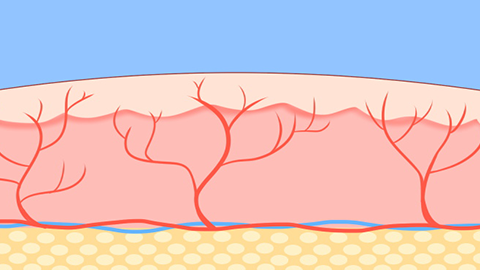
The surface of the small intestinal mucosa contains numerous villi and microvilli structures, which increase the absorptive surface area of the small intestine. Capillaries are densely distributed within the intestinal villi, absorbing small molecular nutrients such as amino acids, glucose, and fatty acids from the digestive tract into the bloodstream.
2. Supply of Oxygen and Nutrients
Capillaries supply essential oxygen and nutrients to the epithelial cells of the small intestine to support their normal physiological functions. Through substance exchange, blood in the capillaries delivers oxygen and nutrients to the epithelial cells, ensuring their normal metabolic activities.
3. Removal of Metabolic Waste
Metabolic waste products and carbon dioxide are generated during the metabolic processes of small intestinal epithelial cells. Capillaries remove these metabolic wastes from the epithelial cells through substance exchange, transporting them into the veins, where they are eventually excreted from the body via organs such as the kidneys, ensuring normal physiological functions.
4. Immune Cell Circulation
The small intestine is an important component of the immune system, containing numerous immune cells and immunoglobulins. Capillaries provide a pathway for immune cell circulation, allowing them to move freely within the intestinal mucosa, participate in immune responses, and protect the intestinal tract from infections.
5. Maintenance of Microcirculatory Balance
Capillaries form a complete microcirculatory system in the small intestine and work together with lymphatic capillaries. By facilitating substance exchange and regulating fluid balance, they maintain microcirculatory balance within the small intestine, ensuring its normal physiological function and promoting nutrient absorption and waste elimination.
In summary, capillaries in the small intestine perform multiple functions including nutrient absorption, oxygen and nutrient supply, removal of metabolic waste, immune cell circulation, and maintenance of microcirculatory balance. These functions collectively ensure the normal physiological function of the small intestine, providing essential nutritional and energy support for the body.
References:
[1] Wang Hao. The Equivalence of the Functions of the Spleen in Traditional Chinese Medicine and Capillaries[C]// Chinese Medicine Association, Chinese Medical Journal. Proceedings of the Common Disease Treatment Symposium on Traditional Chinese Medicine and Integrated Chinese and Western Medicine. Traditional Chinese Medicine Hospital of Yangquan City, Shanxi Province; 2007: 31-32.
[2] Gu Huaiyu, Zhong Zhenya, Wang Qinglin, et al. Capillary Architecture in the Mucosal Layer of the Fetal Duodenum[J]. Anatomical Research, 2003, (01): 18-20.