What Causes Sweaty Feet?
Mar 13, 2025
Source: Cainiu Health

Dr. Yang Ziqi
Introduction
Wearing non-breathable shoes and socks prevents the dissipation of heat and moisture from the feet, leading to increased perspiration. Choose breathable materials for shoes and socks, such as cotton socks, breathable athletic shoes, or cloth shoes. Change and wash your socks and shoes daily to keep your feet dry and cool. During intense physical activity or prolonged walking, the body's metabolism accelerates and heat production increases, resulting in increased sweat gland secretion in the feet.
Excessive foot sweating may be caused by factors such as poorly breathable shoes and socks, excessive physical activity, emotional tension, hyperhidrosis, or hyperthyroidism. Appropriate measures can be taken according to the underlying causes. If physical discomfort occurs, it is recommended to seek medical attention promptly and follow medical advice for treatment.
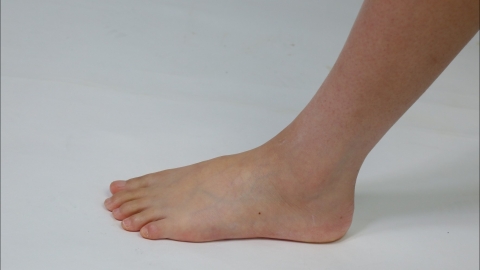
1. Poorly breathable shoes and socks: Wearing non-breathable footwear and socks prevents proper heat dissipation and moisture evaporation from the feet, leading to increased sweating. Choose breathable materials, such as cotton socks, breathable athletic shoes, or cloth shoes. Change and wash footwear and socks daily to maintain dry feet.
2. Excessive physical activity: Intense exercise or prolonged walking increases metabolic rate and heat production, stimulating increased sweat gland secretion in the feet. After exercising, wash the feet promptly, change into dry socks and shoes, take appropriate breaks during physical activity, and avoid prolonged continuous exercise.
3. Emotional tension: Mental stress or anxiety activates the sympathetic nervous system, stimulating sweat glands in the feet and causing excessive sweating. Techniques such as deep breathing, meditation, and progressive muscle relaxation may help alleviate emotional tension. Maintain a calm mindset and minimize emotional fluctuations in daily life.
4. Hyperhidrosis: Overactive sympathetic nerves lead to excessive sweat gland secretion, causing excessive foot sweating, which may also affect the palms and armpits. In severe cases, it may interfere with daily life. It is recommended to use medications such as hexetidine solution, trazodone hydrochloride tablets, or vitamin B1 tablets under medical guidance to alleviate symptoms.
5. Hyperthyroidism: Excessive secretion of thyroid hormones accelerates metabolism and increases body heat production, resulting in excessive sweating, particularly in the feet. This is often accompanied by symptoms such as palpitations, hand tremors, increased appetite, and weight loss. Patients may follow medical advice to use medications such as propylthiouracil tablets, methimazole tablets, or propranolol hydrochloride tablets for treatment.
In daily life, it is recommended to wash feet regularly and keep them clean and dry; adjust indoor temperature; wear breathable shoes and socks; and avoid consuming excessive spicy, irritating foods and meats.
References:
[1] Tian Jiliang, Hu Quan. Research Progress on the Treatment of Hyperhidrosis with Traditional Chinese Medicine [J]. Nei Mongol Journal of Traditional Chinese Medicine, 2024, 43(04): 164-166.
[2] Wei Yanning, Li Jing, Zhang Hengyao, et al. Case Report on the Diagnosis and Treatment of Hyperhidrosis in Hyperthyroidism by Lu Huaping [J]. Shanxi Journal of Traditional Chinese Medicine, 2024, 40(08): 36+42.