


What causes oily hair?

Hair that easily becomes oily may be caused by excessive sebum gland secretion, unhealthy lifestyle habits, improper cleansing, seborrheic dermatitis, or androgenetic alopecia. Management can vary depending on the specific situation.
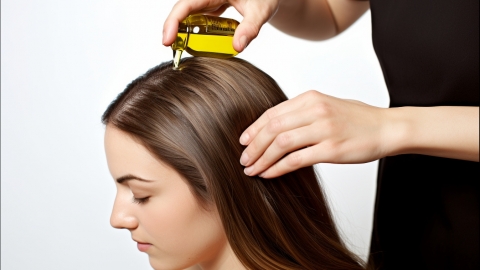
1. Excessive Sebum Gland Secretion: Influenced by heredity and androgen levels, active sebaceous glands may produce excessive oil, making hair prone to greasiness. In daily routines, choose a mild anti-oil shampoo with moderate cleansing power and wash your hair every 2-3 days. Avoid over-cleansing, as it may stimulate the sebaceous glands to secrete more oil. Reduce intake of high-fat, high-sugar, and spicy foods, and eat more vegetables and fruits.
2. Unhealthy Lifestyle Habits: Long-term sleep deprivation and high mental stress can disrupt the endocrine system, prompting increased sebum secretion and oilier hair. Adjust your sleep schedule to ensure 7-8 hours of sleep per night. Release stress through activities like exercise or meditation to stabilize the endocrine system and improve oily hair conditions.
3. Improper Cleansing: If the hair and scalp are not thoroughly cleaned or washed infrequently, oils, dust, and bacteria may accumulate on the scalp, clogging pores and affecting normal sebum secretion, leading to oily hair. Maintain an appropriate cleaning frequency, generally washing your hair 2-3 times per week. Choose suitable shampoo and conditioner for your hair type and avoid products with excessive alkalinity.
4. Seborrheic Dermatitis: Excessive sebum secretion combined with the overgrowth of Malassezia yeast can cause inflammation, leading to abnormal oil production on the scalp, often accompanied by itching, red patches, and dandruff. Patients can use medications such as selenium sulfide shampoo, ketoconazole shampoo, or vitamin B6 tablets under a doctor's guidance to alleviate symptoms.
5. Androgenetic Alopecia: Related to elevated androgen levels, androgens stimulate sebaceous glands to secrete more oil, making the scalp oilier. Additionally, androgens affect the hair follicle growth cycle, slowing hair growth, making it thinner, and eventually leading to hair loss. It is recommended to use medications such as finasteride tablets, minoxidil gel, or spironolactone tablets under a doctor's supervision to relieve symptoms.
In daily life, maintaining a clean scalp and avoiding excessively oily hair products is beneficial for overall hair health.


