


What are the differences between quinoa and brown rice?

The differences between quinoa and brown rice generally include raw materials and plant species, appearance and color, nutritional value, cooking methods and uses, and health benefits. A detailed analysis is as follows:
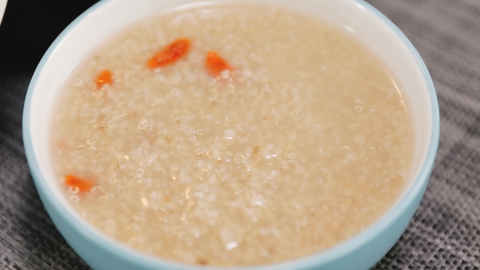
1. Raw Materials and Plant Species: Quinoa belongs to the Chenopodiaceae family and is an ancient Andean crop known for its drought, cold, and salt tolerance. It is rich in protein and various amino acids. Brown rice, on the other hand, is a whole grain rice obtained after removing the husk of rice with minimal or no further processing. It belongs to the Poaceae family and is one of the common staple foods in daily diets.
2. Appearance and Color: Quinoa naturally comes in a combination of white, red, and black colors, with a unique appearance. When cooked, it becomes plump and slightly chewy. Brown rice retains the bran and inner layers of the rice grain, appearing light yellow or brownish. It has a compact texture and a relatively coarse mouthfeel.
3. Nutritional Value: Quinoa has a high protein content and is rich in dietary fiber, vitamins, and minerals, especially calcium, magnesium, and iron, which are significantly higher than those in brown rice. Brown rice contains protein, fat, B-complex vitamins, vitamin E, and various minerals. However, compared to quinoa, its protein quality and amino acid composition are relatively inferior.
4. Cooking Methods and Uses: Quinoa cooks quickly and is easily digested and absorbed. It can be consumed alone as a staple food or combined with various ingredients to make salads, soups, and other dishes. Brown rice requires a longer cooking time and has a coarser texture, making it suitable for preparing rice dishes, porridge, or as a raw material for pastries and other foods.
5. Health Benefits: Quinoa, with its high protein, low fat, and high fiber characteristics, helps maintain muscle health, promote intestinal motility, and lower cholesterol levels. It is suitable for vegetarians, fitness enthusiasts, and individuals needing to manage blood sugar levels. Brown rice, rich in dietary fiber and B vitamins, aids in preventing constipation, promoting digestion, and maintaining nervous system health, making it a healthy staple food choice for daily diets.
Both quinoa and brown rice should be stored in dry conditions to prevent moisture. Individuals allergic to quinoa or with weak digestion should consume them cautiously. A diversified dietary approach is recommended in daily diets, tailored to individual needs for optimal intake.


