


Can I eat spicy hot pot when hyperthyroidism is severe?

Generally speaking, hyperthyroidism refers to an overactive thyroid gland. When hyperthyroidism is severe, it is not recommended to consume spicy hot pot. If discomfort occurs, timely medical attention is advised. Detailed analysis is as follows:
Spices like chili peppers and Sichuan peppercorns commonly used in spicy hot pot are stimulating and may increase sympathetic nervous system activity in patients with hyperthyroidism, leading to increased heart rate and elevated blood pressure, thus worsening hyperthyroid symptoms. Additionally, the broth of spicy hot pot may contain iodine-rich ingredients such as seafood and seaweed. Iodine is a crucial element for synthesizing thyroid hormones. Excessive iodine intake by patients with hyperthyroidism can further stimulate the thyroid gland, increasing thyroid hormone secretion and exacerbating the condition. Therefore, consumption of spicy hot pot is not recommended when hyperthyroidism is severe.
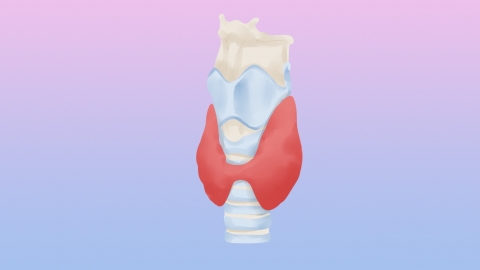
When hyperthyroidism is severe, the diet should primarily be light and nutritionally balanced. Patients should avoid consuming strongly stimulating foods such as spicy hot pot and barbecue. Moreover, patients are advised to have regular thyroid function check-ups, adjust treatment plans as directed by physicians, and maintain healthy lifestyle habits, such as regular sleep patterns, moderate exercise, quitting smoking, and limiting alcohol consumption, to promote condition stability and recovery.
In daily life, it is recommended to maintain a balanced diet with appropriate intake, while paying attention to bodily reactions to avoid excessive consumption or eating when inappropriate.


