What should not be done before an electrocardiogram (ECG) test
Mar 17, 2025
Source: Cainiu Health

Dr. Tian Hongbo
Introduction
Under normal circumstances, activities to avoid before an electrocardiogram (ECG) include strenuous exercise, consuming caffeine, smoking, applying oily skincare products, and wearing metal accessories. Remain relaxed during the test and cooperate with the medical staff to obtain the best results. If you have any questions or experience discomfort, communicate with the medical personnel promptly.
Generally, activities to avoid before undergoing an electrocardiogram (ECG) include strenuous exercise, consuming caffeine, smoking, applying oily skincare products, and wearing metal accessories. If in doubt, it is recommended to seek timely medical advice. Detailed explanations are as follows:
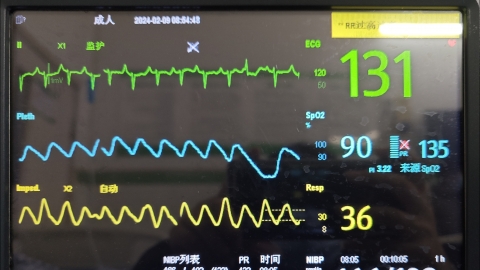
1. Strenuous Exercise: Strenuous exercise can alter heart rate and rhythm, potentially affecting the accuracy of the ECG results. Therefore, avoid strenuous exercise before the ECG test and remain calm.
2. Consuming Caffeine: Caffeine is a central nervous system stimulant that can increase heart rate and the risk of arrhythmias. To ensure accurate ECG results, avoid consuming caffeinated beverages such as coffee, tea, and certain soft drinks before the test.
3. Smoking: Smoking stimulates the heart, increasing heart rate and blood pressure, which can affect ECG results. Refrain from smoking before undergoing an ECG to ensure accurate data collection.
4. Applying Oily Skincare Products: Oily skincare products (such as lotions and moisturizers) may interfere with electrode contact with the skin, affecting signal transmission. Therefore, avoid applying these products on the chest and arms before the ECG test.
5. Wearing Metal Accessories: Metal accessories (such as necklaces, bracelets, and watches) may interfere with the ECG's electrical signals, leading to inaccurate results. Remove all metal accessories before the ECG to ensure accuracy.
Remain relaxed during the test and cooperate with the healthcare personnel to achieve optimal results. If you have any questions or discomfort, communicate with the medical staff promptly.
References
[1] Huang Hanxuan. The Application Value of 24-Hour Ambulatory Electrocardiogram in Diagnosing Arrhythmia in Coronary Heart Disease [J]. Heilongjiang Medicine Journal, 2025, 38(01): 20-23.
[2] Zhao Yong, Zou Hao. Clinical Value Analysis of Real-Time Three-Dimensional Ultrasound Speckle Tracking Imaging Combined with Ambulatory Electrocardiography in Diagnosing Coronary Artery Disease [J]. Clinical Medical Engineering, 2025, 32(02): 183-186.