


Can leftover vegetables from the previous night still be eaten, and how much vitamin loss occurs?

Generally, overnight vegetables can be consumed if they are properly stored and have not spoiled, but they lose a significant amount of vitamins, typically more than 10%. If improperly stored or already spoiled, overnight vegetables should be avoided. Detailed analysis is as follows:
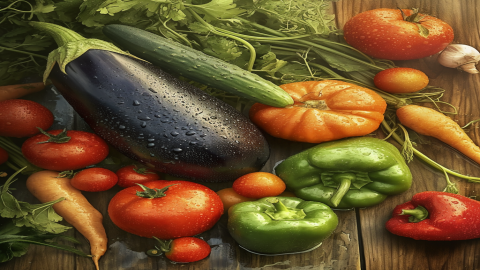
If overnight vegetables are rapidly cooled after cooking and sealed with plastic wrap or stored in airtight containers at temperatures below 4°C, bacterial growth can be effectively inhibited, reducing the risk of food spoilage. Consumption within 24 hours is relatively safe. However, the vitamins in overnight vegetables will gradually decrease over time. Generally, after being left for one hour, about 10% of vitamin C is lost; after two hours, approximately 14% is lost, and the longer the storage time, the more severe the vitamin loss becomes.
If overnight vegetables are improperly stored, such as being left at room temperature for too long or not sealed with plastic wrap, bacterial growth may occur, potentially leading to harmful microorganisms like mold. Additionally, if overnight vegetables show signs of spoilage such as discoloration or an off odor, they must not be consumed.
To ensure food safety and nutritional health, it is recommended to avoid consuming overnight vegetables whenever possible. If vegetable storage is necessary, appropriate storage methods should be used, and the vegetables should be consumed as soon as possible within a short period.


