


What causes numbness in the legs when sitting on the bed?

Leg numbness while sitting on the bed may be caused by poor posture, local pressure, lumbar disc herniation, peripheral neuritis, diabetic neuropathy, and other reasons. Management can be based on the specific situation. It is recommended to visit a hospital promptly and follow medical advice for treatment.
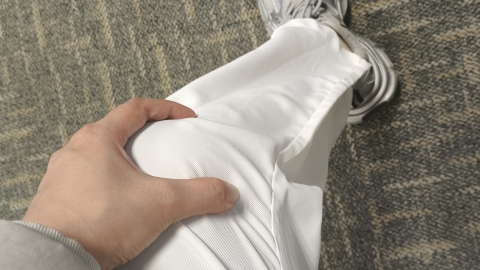
1. Poor posture: Prolonged sitting on the bed in a poor posture, such as crossing legs or bending them for a long time, can compress leg nerves and blood vessels, hindering blood circulation and causing numbness. Improvement methods include adjusting sitting posture, avoiding maintaining the same posture for extended periods, moving legs periodically, stretching muscles, promoting blood circulation, which can effectively relieve leg numbness.
2. Local pressure: When sitting on the bed, if body weight is overly concentrated on the legs, it can compress nerves and blood vessels in that area, leading to insufficient blood supply to the legs and causing numbness. It is recommended to change to a more comfortable sitting posture, place soft cushions on the pressure areas, reduce pressure, and massage legs appropriately to accelerate blood flow and alleviate numbness.
3. Lumbar disc herniation: Degeneration or injury of the lumbar intervertebral disc can cause the nucleus pulposus to protrude, compressing the sciatic nerve and resulting in leg numbness. This is often accompanied by lower back pain and weakness in the lower limbs, commonly caused by improper use of the waist or long-term strain. Patients can take medications such as mecobalamin tablets, diclofenac sodium sustained-release tablets, and chlorzoxazone tablets under a doctor's guidance to improve symptoms.
4. Peripheral neuritis: Infection, nutritional deficiencies, metabolic disorders, and other factors can damage peripheral nerves, causing symmetrical sensory abnormalities in the distal limbs, manifesting as leg numbness and stabbing pain. Severe cases may affect limb motor function. It is recommended to use medications such as vitamin B1 tablets, vitamin B12 tablets, and gabapentin capsules as directed by a physician to alleviate discomfort.
5. Diabetic neuropathy: Long-term high blood sugar can damage peripheral nerves, causing leg numbness, pain, and reduced sensation. It is one of the common chronic complications of diabetes. Patients should use medications such as epalrestat tablets, mecobalamin capsules, and lipoic acid injections as directed by a physician to improve nerve function and reduce leg numbness symptoms, while strictly controlling blood sugar levels.
In daily life, it is recommended to get up and move around regularly, perform leg stretching exercises to promote blood circulation. Additionally, elevating the legs can utilize gravity to assist blood return.
References:
[1] Yu Xueqin. Observation on the effect of micro-needle therapy at the hairline on diabetic peripheral neuritis [J]. Journal of Traditional Chinese Medicine at the Grassroots Level, 2025, 4(01): 20-26.
[2] Lu Fangzhou, Yin Zhiyang, Hu Benhui. Research progress on neuroregulation techniques in the intervention of diabetic neuropathy [J]. Acta Universitatis Medicinalis Nanjing (Natural Science), 2024, 44(12): 1735-1744.


