What are the causes of premature rupture of membranes?
Mar 18, 2025
Source: Cainiu Health

Dr. Zhang Lu
Introduction
In general, possible causes of premature rupture of membranes may include malnutrition, multiple pregnancies, external forces, genital tract infections, and increased intra-amniotic pressure. Symptomatic management is required through methods such as general treatment, medication, and surgical treatment. In daily life, pregnant women should undergo regular prenatal examinations to timely understand their own health status and fetal development, ensuring the safety of both mother and baby.
Generally, possible causes of premature rupture of membranes (PROM) may include nutritional deficiencies, multiple pregnancies, external forces, genital tract infections, and increased intra-amniotic pressure. Symptomatic management may involve general treatment, medication, or surgical interventions. If any physical discomfort occurs, prompt medical attention is necessary to avoid delays in treatment. Detailed explanations are as follows:
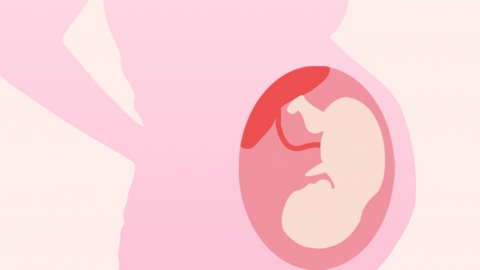
1. Nutritional Deficiencies
Pregnant women lacking nutrients such as vitamin C, zinc, and copper may experience impaired synthesis of collagen and elastic fibers in the fetal membranes, reducing their tensile strength and increasing the risk of premature rupture. Adequate nutrition during pregnancy, including protein, vitamins, and minerals, is recommended.
2. Multiple Pregnancies
Women with multiple pregnancies may have fragile fetal membranes and cervix due to previous deliveries, increasing the risk of PROM. Regular prenatal check-ups and close monitoring of cervical conditions are recommended to reduce this risk.
3. External Forces
External impacts or pressure on the abdomen during pregnancy, such as falls, improper sexual activity, or incorrect amniocentesis procedures, may directly cause rupture of the fetal membranes. These external forces can exert sudden impact or pressure on the membranes, exceeding their tolerance and causing rupture. After PROM occurs, immediate bed rest with the hips elevated, maintaining perineal hygiene, and avoiding infection are recommended.
4. Genital Tract Infections
Genital tract infections such as bacterial vaginosis or urinary tract infections can cause inflammation of the fetal membranes. The inflammatory response weakens the membrane tissues, reducing their ability to withstand external pressure and increasing the likelihood of rupture. Symptoms may include increased vaginal discharge, odor, or lower abdominal pain. Under medical guidance, medications such as amoxicillin capsules, metronidazole tablets, or cefixime dispersible tablets may be prescribed to control infection and prevent complications.
5. Increased Intra-amniotic Pressure
Abnormally elevated intra-amniotic pressure, as seen in twin pregnancies or polyhydramnios, can place excessive pressure on the fetal membranes, increasing the risk of PROM. Symptoms may include abdominal distension and difficulty breathing. Pregnant women should undergo regular prenatal examinations to monitor intra-amniotic pressure and fetal condition. If necessary, procedures such as amniocentesis or amnioreduction may be performed to reduce intra-amniotic pressure.
In daily life, pregnant women should undergo regular prenatal check-ups to monitor their own health status and fetal development, ensuring maternal and fetal safety.
References
[1] Ye Shushi, Zhang Wei, Lu Ting. Analysis of Risk Factors for Spontaneous Preterm Birth in Twin Pregnancies [J]. Chinese Journal of Women and Children's Health, 2025, 40(06): 1086-1089.
[2] Chen Kexin, Wang Li, Wang Xiaobing. Research Progress on the Pathogenesis of Preterm Premature Rupture of Membranes [J]. Guide to Women's and Children's Health, 2025, 4(03): 21-25.