


What are the main causes of foot odor?

Foot odor may be caused by excessive sweating, non-breathable shoes and socks, athlete's foot, hyperhidrosis, or diabetic foot, and management should be based on the specific condition. It is recommended to visit a hospital promptly and follow medical advice for treatment.
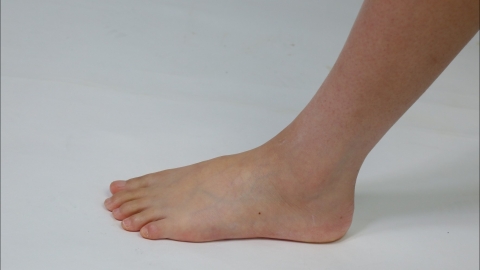
1. Excessive sweating: The feet contain numerous sweat glands. Increased perspiration due to physical activity or hot weather creates conditions favorable for bacterial growth. Bacteria break down organic substances in sweat, producing an unpleasant odor. One should change shoes and socks frequently, choose breathable shoes and sweat-absorbing socks, such as those made of cotton or bamboo fiber. It is also advisable to wash feet promptly after exercise to maintain dryness and use antiperspirants to reduce sweating.
2. Non-breathable shoes and socks: Wearing non-ventilated shoes and socks restricts air circulation, leading to sweat accumulation and creating a warm, damp environment that promotes bacterial proliferation, resulting in foot odor. It is advisable to wear well-ventilated athletic shoes or cloth shoes regularly, avoid wearing rubber or leather shoes for extended periods, and choose socks made of natural fiber materials like cotton. Socks should be changed daily, shoes cleaned regularly, and desiccants can be placed inside shoes when necessary.
3. Athlete's foot: This condition is caused by a fungal infection of the skin on the feet. The fungus grows and reproduces on the feet, producing secretions and breaking down keratin proteins, which causes foot odor along with symptoms such as itching, blisters, and peeling skin. Patients may use medications such as miconazole nitrate cream, terbinafine hydrochloride spray, or itraconazole capsules under a doctor's guidance.
4. Hyperhidrosis: Due to dysfunction of the sympathetic nervous system, excessive sweating of the feet occurs. The excessive sweat is broken down by bacteria, producing a strong odor. It often manifests as profuse sweating of the feet even at rest, significantly affecting quality of life. It is recommended to follow medical advice and use medications such as formaldehyde solution, oxazepam tablets, or methenamine solution to alleviate symptoms.
5. Diabetic foot: Poor blood sugar control in diabetic patients leads to nerve and vascular damage in the lower limbs, resulting in poor circulation and reduced skin resistance in the feet. This makes the feet prone to bacterial growth, causing foot odor. Symptoms may also include numbness, pain, and changes in skin color in the feet. Patients may use medications such as mecobalamin tablets, pancreatin enteric-coated tablets, or alprostadil injection under medical guidance to improve nerve and vascular function and relieve foot odor.
In daily life, it is recommended to maintain foot hygiene by washing feet daily with warm water, choosing breathable shoes and socks, avoiding tight or non-breathable materials, and regularly replacing and cleaning shoes and socks to keep them clean and dry.
References:
[1] Cheng Xiaohan, Mei Cheng. Clinical observation of scalp acupuncture in treating hyperhidrosis with depression and anxiety. Liaoning Journal of Traditional Chinese Medicine, 2025, 52(02): 145-148.
[2] He Jiafeng, Li Baojie, Liao Zhigang, et al. Clinical study of terbinafine hydrochloride spray combined with Xianglian herbal wash in the treatment of athlete's foot. New Journal of Traditional Chinese Medicine, 2025, 57(02): 91-95.


