


What causes stomach bloating after meals?

Under normal circumstances, postprandial gastric distension may be caused by overeating, eating too quickly, indigestion, gastritis, gastric ulcers, and other related factors. Symptomatic management through general treatments and medication may be necessary. If discomfort persists, it is recommended to seek timely medical advice and undergo appropriate treatment under a physician's guidance. A detailed explanation is as follows:
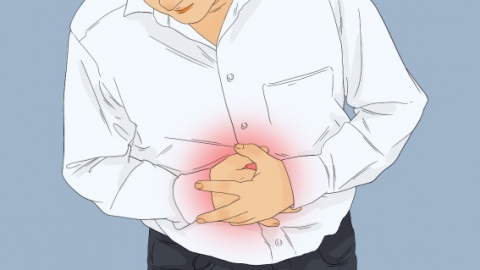
1. Overeating
Consuming excessive amounts of food, especially high-fat and high-fiber foods, can overload the stomach, causing a sensation of gastric distension. Symptoms may include belching, eructation, and abdominal discomfort. It is recommended to control portion sizes, avoid binge eating, chew food thoroughly, and reduce the amount of food consumed per meal.
2. Eating Too Quickly
Eating too quickly results in insufficient chewing and uneven mixing of food with saliva. Additionally, excessive air may be swallowed into the stomach, increasing gastric gas and causing distension. Symptoms may also include belching, eructation, and abdominal bloating or pain. It is recommended to slow down while eating, chew food thoroughly, and avoid talking while eating to reduce air swallowing.
3. Indigestion
Indigestion can be triggered by various factors, such as gastrointestinal inflammation, ulcers, or reduced gastrointestinal motility. These factors disrupt normal intestinal peristalsis, causing food to remain in the stomach for extended periods without being adequately digested, resulting in gastric distension. Symptoms may include abdominal pain, bloating, eructation, nausea, and others. It is recommended to follow medical advice and take medications such as Baohe Pills, Jianwei Xiaoshi Tablets, or Simotang Oral Liquid to alleviate symptoms.
4. Gastritis
Gastritis may be caused by Helicobacter pylori infection, consumption of irritating beverages, autoimmune damage, and other factors. When the gastric mucosa is inflamed, its function is impaired, making digestion of food in the stomach difficult and causing distension. Patients may also experience stomach pain, nausea, and vomiting. It is recommended to take medications such as Compound Rennet Enzyme Capsules, Potassium Bicarbonate Citrate Tablets, or Colloidal Bismuth Pectin Capsules under medical supervision.
5. Gastric Ulcer
Gastric ulcers may be caused by long-term excessive gastric acid secretion, smoking, alcohol consumption, and other factors. When the gastric mucosa is damaged, gastric motility weakens, prolonging the retention of food in the stomach. Gastric acid and digestive enzymes irritate the damaged mucosa, causing pain and distension. Symptoms may include epigastric pain, acid regurgitation, and eructation. It is recommended to follow medical advice and take medications such as Esomeprazole Magnesium Enteric-coated Tablets, Rabeprazole Sodium Enteric-coated Tablets, or Lansoprazole Tablets to relieve symptoms.
It is also recommended to relieve symptoms through abdominal massage. Using the navel as the center, gently massage the abdomen in a clockwise direction with the palm, applying pressure that feels comfortable, to aid gastric emptying.


