


What causes granular substances on the chin?
Mar 18, 2025
Source: Cainiu Health

Dr. Liu Wenmin
Introduction
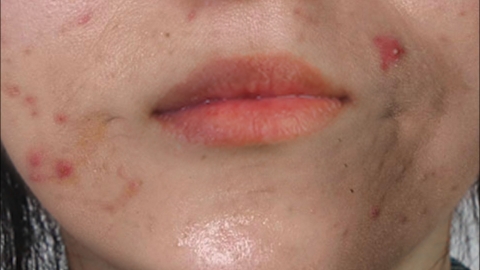
Under normal circumstances, granular substances on the chin may be caused by excessive sebum secretion, abnormal follicular keratinization, acne, folliculitis, sebaceous cysts, or other similar conditions. Symptomatic management may involve general treatments, medication, and other approaches. It is recommended to maintain clean and dry skin in daily life, use mild skincare products, and avoid irritant cleansers to help maintain overall skin health.
In general, granular masses on the chin may be caused by excessive sebum production, abnormal follicular keratinization, acne, folliculitis, sebaceous cysts, and other factors. Symptomatic treatment such as general care and medication may be needed. If physical discomfort occurs, prompt medical consultation and treatment are recommended. Detailed analysis is as follows:
1. Excessive Sebum Production
The sebaceous glands in the chin area are relatively abundant. When these glands produce excessive sebum, inadequate daily cleansing may lead to clogged pores, forming granular masses, possibly accompanied by oily skin and enlarged pores. It is recommended to maintain facial cleanliness and use facial cleansers suitable for one's skin type.
2. Abnormal Follicular Keratinization
Excessive keratinization of the follicular orifice can prevent sebum from being discharged normally, causing accumulation at the follicular opening and forming granules. This may be related to genetic factors, vitamin A deficiency, and other factors, and may be accompanied by symptoms such as dry and rough skin. It is recommended to consume more foods rich in vitamin A, such as carrots and spinach.
3. Acne
When pores become blocked by sebum and bacterial infection, inflammatory acne can develop, forming red, swollen, painful granular lesions, possibly accompanied by pain, erythema, and pustules. It is recommended to follow medical advice in using medications such as clindamycin phosphate gel, benzoyl peroxide cream, and isotretinoin soft capsules to alleviate symptoms.
4. Folliculitis
Bacterial infection around the hair follicles can cause local inflammatory reactions, forming red, swollen, itchy granules. Patients should follow medical advice to apply topical medications such as erythromycin ointment, fusidic acid cream, and compound polymyxin B ointment to affected areas to reduce inflammation and eliminate infection.
5. Sebaceous Cyst
When the excretory duct of the sebaceous gland becomes blocked, sebum cannot be discharged normally, leading to cyst formation, which manifests as granular masses on the chin, possibly accompanied by painless lumps and a sensation of skin tension. It is recommended to follow medical advice in using medications such as azithromycin capsules, minocycline hydrochloride capsules, and roxithromycin capsules to alleviate symptoms.
It is advisable to maintain clean and dry skin in daily life, use mild skincare products, and avoid using irritating cleansers, which can help maintain healthy skin.
References
[1] Zhang Hanxin. Exploration of Superficial Tumors: Understanding and Management Strategies[J]. Family Life Guide, 2025, 41(02): 185-186.
[2] Zeng Qiqi, Chen Dongzhi, Li Tao, et al. Research Progress on the Etiology and Care of Oily Skin[J]. China Surfactant Detergent & Cosmetics, 2025, 48(02): 70-77.



