


What are the causes of coughing after eating watermelon?

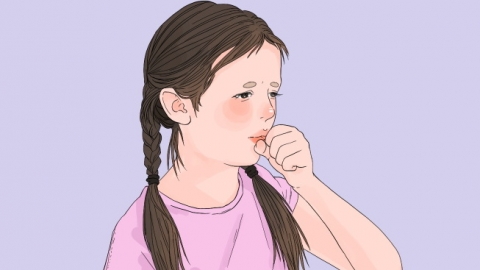
Generally, the causes of coughing triggered by eating watermelon may include excessive consumption, improper eating habits, food allergies, oral infections, gastroesophageal reflux, and other factors. Symptomatic treatment such as general care and medication may be needed. If discomfort occurs, timely medical treatment at a hospital is recommended. Detailed analysis is as follows:
1. Excessive Consumption
Watermelon contains large amounts of water and sugar. Overconsumption may irritate the throat and cause coughing. Additionally, watermelon is a cooling food; excessive intake may irritate the bronchi and trigger coughing. It is recommended to consume watermelon in moderation and avoid overeating.
2. Improper Eating Habits
Eating watermelon too quickly or swallowing forcefully may suddenly irritate the throat and cause coughing. It is advisable to adjust eating habits by chewing slowly and avoiding forceful swallowing.
3. Food Allergy
Watermelon contains protein components that may act as allergens in some individuals. In allergic individuals, the immune system mistakenly identifies these components as harmful substances, triggering an allergic reaction. This leads to the release of chemical mediators like histamine, which irritate the respiratory tract and cause coughing. It is recommended to take medications such as cetirizine hydrochloride tablets, loratadine tablets, or promethazine hydrochloride tablets under medical guidance.
4. Oral Infection
Bacteria or viruses may be present on the surface of watermelon. Consuming unwashed watermelon may lead to oral infections, which can trigger coughing as a defense response from the body. Symptoms may include fever, sore throat, and bad breath. It is recommended to take medications such as levofloxacin tablets, amoxicillin granules, or erythromycin tablets under medical guidance.
5. Gastroesophageal Reflux
Watermelon is a high-water-content, high-fiber fruit. Consuming large amounts may lead to excessive gastric acid secretion, causing gastroesophageal reflux, which irritates the throat and results in coughing. Symptoms may also include heartburn, chest pain, and difficulty swallowing. It is recommended to take medications such as omeprazole enteric-coated capsules, domperidone tablets, or cisapride tablets under medical guidance.
In daily life, excessive consumption of watermelon should be avoided, and a balanced diet should be maintained to promote overall health.
References
[1] Peng Xiaoqing. Protecting Respiratory Health: Prompt Management of Coughing [J]. Family Medicine. Choosing Medications Wisely, 2025, (01): 93.
[2] Hao QiuJing. What Are the Causes of Chronic Cough? [N]. Medical and Health Care Weekly, October 31, 2024 (Issue 002).


