What causes green stool in adults?
Mar 18, 2025
Source: Cainiu Health

Dr. Shen Yonghua
Introduction
Consuming large amounts of green vegetables rich in chlorophyll, such as spinach and broccoli, within a short period can lead to green-colored stools. This occurs because the intestines cannot fully digest and absorb the chlorophyll. Generally, there are no other discomforts, and the stool color will return to normal after adjusting the diet. Taking medications containing bismuth preparations, iron supplements, or similar drugs may also cause the stool to turn green.
Green stool in adults may be caused by dietary factors, medication effects, indigestion, intestinal dysbiosis, or acute enteritis, and can be managed according to the specific situation. If physical discomfort occurs, it is recommended to seek medical attention at a hospital as soon as possible and follow the doctor's instructions for appropriate management.
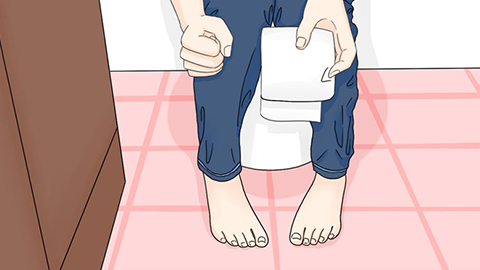
1. Dietary factors: Consuming large amounts of green vegetables rich in chlorophyll, such as spinach and broccoli, within a short period may lead to green stool because the intestines cannot fully digest and absorb the chlorophyll. Generally, there are no other discomfort symptoms, and the stool color will return to normal after adjusting the diet.
2. Medication effects: Taking medications containing bismuth preparations, iron supplements, or other drugs may cause a change in stool color to green. This is a normal phenomenon following drug metabolism in the body, and the stool color will gradually return to normal after discontinuation of the medication. If continuous medication is required for treatment, consult your doctor about possible alternative medications or adjustments to the treatment plan.
3. Indigestion: Overeating, eating too quickly, or consuming excessive fatty foods can increase the gastrointestinal burden, leading to incomplete digestion of food in the intestines. Accelerated intestinal peristalsis prevents biliverdin from being fully converted to bilirubin, resulting in green-colored stool. Symptoms such as bloating, abdominal pain, and nausea may accompany this condition. Patients may use medications such as Weikang Xiaoshi tablets (digestive tablets), multienzyme tablets, or domperidone tablets under a doctor's guidance to promote digestion and alleviate symptoms.
4. Intestinal dysbiosis: Long-term antibiotic use, unbalanced diet, and staying up late may disrupt the normal balance of intestinal flora, reducing beneficial bacteria while increasing harmful bacteria, thereby causing intestinal dysfunction and green-colored stool. Symptoms such as bad breath and increased flatulence may also occur. It is recommended to use medications such as Bifidobacterium quadruple strain tablets, Bacillus licheniformis capsules, or Saccharomyces boulardii powder under medical guidance to aid recovery.
5. Acute enteritis: Infection of the intestines by pathogens such as bacteria or viruses causes inflammation, damages the intestinal mucosa, affects digestive and absorptive functions, and may result in green-colored stool accompanied by symptoms such as diarrhea, abdominal pain, and fever. Patients may use medications such as Norfloxacin capsules, Compound Berberine tablets, or Smectite powder under a doctor's guidance.
In daily life, it is advisable to reduce excessive intake of green vegetables, maintain a balanced diet, ensure comprehensive nutrition, and avoid excessive consumption of any single food item.
References:
[1] Liu Meng, Zhang Guo'an, Guo Qingwei, et al. Research progress on the relationship between intestinal dysbiosis and infectious diseases[J]. Journal of Pathogen Biology, 2025, 20(02): 262-266+271.
[2] Zheng Sili. Study on the mechanism of Mamaran antidiarrheal capsules in treating acute enteritis based on metabolomics and 16S rRNA sequencing[D]. Hubei University of Chinese Medicine, 2023.