


What causes a headache with a feeling of fullness or pressure in the head?
Mar 18, 2025
Source: Cainiu Health

Dr. Lv Zhiqin
Introduction
In general, headaches may be caused by stress and tension, unhealthy lifestyle habits, migraines, cervical spondylosis, hypertension, and other factors. Symptomatic management usually involves general treatment and medication. In daily life, maintaining a healthy lifestyle, eating a balanced diet, engaging in appropriate exercise, and avoiding triggering factors can help prevent headaches.
In general, head distension and pain may be caused by stress and tension, unhealthy lifestyle habits, migraines, cervical spondylosis, hypertension, and other factors. Symptomatic management through general treatment and medication is needed. If symptoms are severe, timely medical consultation and examination for targeted treatment are recommended. A detailed analysis is as follows:
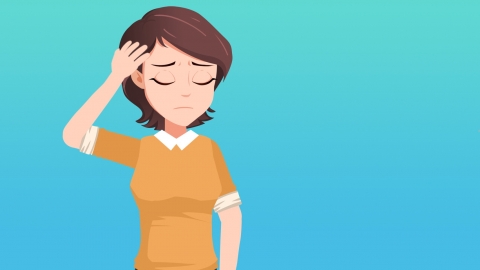
1. Stress and Tension
When a person is under stress, the body releases stress hormones such as adrenaline and cortisol. These hormones can cause vasoconstriction and muscle tension, especially in the head and neck muscles, leading to head distension and pain. Symptoms may include anxiety, depression, and sleep disturbances. It is recommended to practice relaxation techniques such as deep breathing, yoga, and meditation to help relieve muscle tension and psychological stress.
2. Unhealthy Lifestyle Habits
Unhealthy lifestyle habits, such as lack of exercise, irregular作息 patterns, and poor diet, can disrupt the body's physiological balance and interfere with the normal functioning of the nervous system, possibly triggering head distension and pain. Symptoms may include fatigue, difficulty concentrating, and insomnia. It is recommended to establish healthy lifestyle habits such as maintaining regular作息, eating a balanced diet, and engaging in moderate exercise to improve head distension and pain.
3. Migraine
Migraine is a common type of headache, possibly related to chemical changes in the brain, such as fluctuations in serotonin levels, and abnormal responses of the neurovascular system to pain signals. During a migraine attack, blood vessels in the brain dilate, stimulating surrounding nerve endings and producing pain. Patients may also experience nausea, vomiting, photophobia, and phonophobia. It is recommended to use medications such as ibuprofen tablets, indomethacin tablets, and nimodipine tablets under medical guidance for treatment.
4. Cervical Spondylosis
Long-term strain and degeneration of the cervical spine may lead to cervical spondylosis. Cervical spondylosis can cause structural abnormalities in the cervical vertebrae, thereby compressing or irritating surrounding nerves and blood vessels, affecting cerebral blood circulation and nerve conduction, thus causing head distension and pain. It is recommended to follow medical advice to use medications such as chlorzoxazone tablets, eperisone hydrochloride tablets, and naproxen sodium tablets to alleviate symptoms. At the same time, maintaining correct sitting and sleeping postures and avoiding prolonged bending of the head or working at a desk is advised.
5. Hypertension
Hypertension is associated with obesity, high sodium and low potassium diets, kidney disease, and other factors. Elevated blood pressure may cause cerebral vasodilation and increased blood flow velocity, leading to head distension and pain, often accompanied by nausea and vomiting. It is recommended to use antihypertensive medications such as enalapril maleate tablets, captopril tablets, and nifedipine tablets under medical guidance to control blood pressure levels.
In daily life, attention should be paid to maintaining a healthy lifestyle, eating a balanced diet, engaging in appropriate exercise, and avoiding triggering factors, which can help prevent head distension and pain.
References
[1] Fu Zenghui, Jin Yan, Lin Zaihong. Clinical Features of Patients with Fibromyalgia Syndrome Combined with Migraine [J]. Journal of Jinan University (Natural Science & Medicine Edition), 2025, 46(01): 37-42+81.
[2] Zheng Xianhong. Clinical Observation of Electroacupuncture Combined with Herbal Heat Application in the Treatment of Cervicogenic Headache [J]. Chinese Medicine Modern Distance Education of China, 2025, 23(03): 75-77.





