


What causes abnormal uterine bleeding?
Mar 18, 2025
Source: Cainiu Health

Dr. Zhang Lu
Introduction
During the ovulation period, due to changes in hormone levels, some women may experience slight uterine bleeding, which is a normal physiological phenomenon. The amount of bleeding is usually small and typically lasts for half a day to 3 days, often accompanied by mild abdominal pain or lower back discomfort. Special treatment is generally not required; observation of the bleeding pattern is sufficient. Long-term mental stress and irregular lifestyle habits can lead to hormonal imbalances.
Abnormal uterine bleeding may be caused by ovulation period bleeding, endocrine disorders, endometritis, adenomyosis, endometriosis, and other conditions, and can be improved according to the specific situation. It is recommended to seek timely medical attention at a hospital and receive treatment under the guidance of a physician.
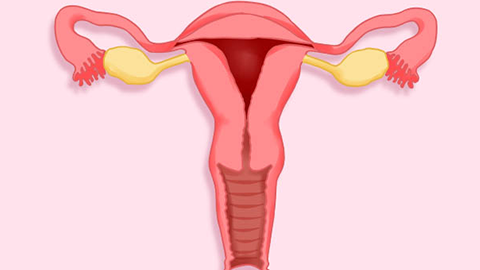
1. Ovulation period bleeding: During ovulation, due to hormonal changes, some women may experience light uterine bleeding, which is a normal physiological phenomenon. The bleeding is usually minimal and lasts about half a day to 3 days, possibly accompanied by mild abdominal pain or backache. No specific treatment is generally required; observation of the bleeding condition is sufficient.
2. Endocrine disorders: Long-term mental stress and irregular lifestyle can lead to hormonal imbalance, causing abnormal uterine bleeding. It is recommended to adjust lifestyle habits, ensure adequate sleep (7–8 hours daily), and relieve stress through exercise, meditation, and other methods.
3. Endometritis: Infection of the endometrium by pathogens causes inflammation, leading to congestion and edema of the endometrium, resulting in abnormal uterine bleeding. Symptoms may include lower abdominal pain, increased vaginal discharge with an unpleasant odor, fever, and others. Patients may take medications such as metronidazole tablets, cefixime capsules, and gynecological qianjin tablets under a doctor's guidance to alleviate symptoms.
4. Adenomyosis: Ectopic endometrial glands within the uterine muscle layer become congested and bleed cyclically, causing abnormal uterine bleeding, accompanied by progressively worsening dysmenorrhea, increased menstrual flow, prolonged menstruation, and uniform enlargement of the uterus. It is recommended to follow medical advice to use medications such as danazol capsules, hongjin xiaojie tablets, and ibuprofen sustained-release capsules to relieve discomfort.
5. Endometriosis: Endometrial tissue appears in locations outside the uterus. Influenced by hormones, it undergoes cyclic bleeding, causing abnormal uterine bleeding, accompanied by dysmenorrhea, infertility, and dyspareunia. The severity and duration of pain vary among individuals. Patients may take medications such as gestrinone capsules, norethisterone tablets, and dydrogesterone tablets under medical guidance to improve symptoms.
Women are advised to adjust their lifestyle habits, such as maintaining good sleep patterns, eating a balanced diet, and engaging in appropriate exercise, which can benefit overall health.
References:
[1] Lü Nana, Wang Dan, Li Yu. Analysis of the current status and influencing factors of illness uncertainty in patients with abnormal uterine bleeding [J]. Psychological Journal, 2024, 19(20): 209–211.


