Is mixed feeding beneficial?
Mar 18, 2025
Source: Cainiu Health

Dr. Zhou Xiaofeng
Introduction
Whether mixed feeding is beneficial mainly depends on the baby's digestion. If the baby has good digestion and a high appetite, mixed feeding is generally suitable, as it can help the baby intake more nutrients and promote physical development. However, if the baby has poor digestive function and a low appetite, mixed feeding may increase the burden on the gastrointestinal system and cause discomfort.
Generally speaking, whether mixed feeding is good or not mainly depends on the baby's digestion. If the digestion is good, mixed feeding may be a better option. If digestion is poor, mixed feeding may not be advisable. Detailed analysis is as follows:
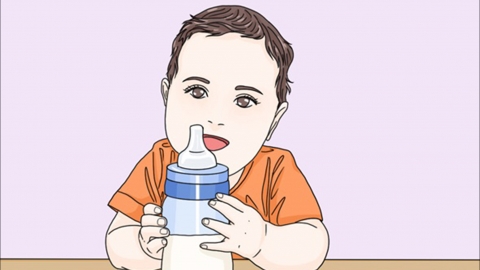
If the baby digests and absorbs well, exclusive breastfeeding alone may not meet the baby's needs, and choosing mixed feeding is usually better. This can help the baby intake more nutrients to support physical development. Formula milk can be combined with breastfeeding, but initially should be introduced in moderate amounts and then gradually increased.
However, if the baby's absorption and digestion are poor, and the baby's nutritional requirements are not high, mixed feeding might not offer significant benefits. In such cases, mixed feeding may increase the burden on the baby's gastrointestinal system, potentially causing symptoms such as bloating, abdominal pain, constipation, and even affecting the baby's appetite. Therefore, it is advisable to observe for a period of time and consider mixed feeding only when the baby's nutritional needs increase and digestive function improves.
It should also be noted that during mixed feeding, the baby's condition should be regularly monitored. If any of the above discomforts occur, the feeding method should be adjusted promptly. In addition, attention should also be paid to other aspects of care, including daily care and hygiene.