


What are the causes of abdominal bloating in early pregnancy?

In general, possible causes of abdominal bloating in early pregnancy may include hormonal changes, intestinal compression due to uterine enlargement, indigestion, constipation, and gastroenteritis. Symptomatic management through general treatments and medications may be needed. If symptoms persist or worsen, timely medical consultation and comprehensive examinations are recommended to determine the underlying cause. Detailed explanations are as follows:
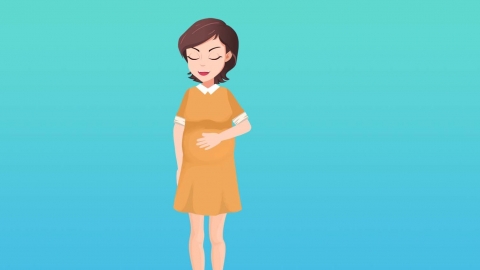
1. Hormonal Changes
In early pregnancy, hormone levels in the pregnant woman's body change, particularly a significant increase in progesterone such as luteinizing hormone. These hormonal fluctuations may relax the smooth muscles of the gastrointestinal tract, slowing the movement of food through the intestines, thereby increasing gas accumulation in the intestines and causing bloating. Usually, no special treatment is required, and symptoms can be relieved by adjusting diet and engaging in appropriate physical activity.
2. Uterine Compression of the Intestines
As pregnancy progresses, the enlarged uterus may compress the intestines, affecting the normal discharge of intestinal gas, leading to abdominal bloating, possibly accompanied by difficulty in defecation, abdominal discomfort, and back pain. Pregnant women are advised to rest in a left lateral position to reduce uterine pressure on the intestines. Prolonged standing or sitting should be avoided, and regular changes in posture can promote blood circulation and intestinal peristalsis.
3. Indigestion
Due to hormonal changes, gastrointestinal motility in pregnant women may slow down, and the digestion and absorption of food may weaken correspondingly. This may cause food to remain in the gastrointestinal tract for a prolonged period, where it is decomposed and fermented by intestinal flora, producing excessive gas, thereby causing abdominal distension, possibly accompanied by belching, nausea, and vomiting. It is recommended to use medications such as omeprazole enteric-coated capsules, Bifidobacterium triple viable capsules, and Bacillus subtilis bifidobacterium viable granules under medical guidance to relieve symptoms.
4. Constipation
During pregnancy, due to hormonal changes and uterine pressure, many pregnant women may experience constipation, which can also lead to abdominal distension, possibly accompanied by difficulty in defecation and dry, hard stools. It is recommended to use medications such as wheat bran fiber granules, hemp seed moistening intestinal pills, and lactulose oral solution under a doctor's guidance for treatment.
5. Gastroenteritis
Unsanitary diet, pathogen infection, and physiological changes during pregnancy may lead to gastroenteritis. At this time, the gastrointestinal mucosa becomes congested and edematous, affecting digestion and absorption of food, while the inflammation may also stimulate the intestines to produce excessive gas, causing bloating, possibly accompanied by abdominal pain, diarrhea, fever, and other symptoms. It is recommended to use medications such as ciprofloxacin hydrochloride capsules, potassium bismuth citrate tablets, and enteritis-relieving granules under medical guidance to alleviate symptoms.
Pregnant women should undergo regular prenatal checkups to timely understand their health status and fetal development. Maintaining good habits such as regular作息 and a balanced diet also helps maintain overall health.
References
[1] Zhang Ling. Is abdominal distension normal in pregnant women? [J]. Family Medicine, 2019, (10): 11.
[2] Qin Aihua, Wang Yanan, Li Yueqin, et al. Clinical efficacy of Bacillus coagulans tablets in treating functional abdominal distension in pregnant women [J]. Chinese Journal of Microecology, 2016, 28(04): 472-474.


