


What causes numbness in the feet during a nap?

Generally, foot numbness after a nap may be caused by improper sleeping posture, excessive nap duration, peripheral neuropathy, multiple sclerosis, cervical spondylosis, or other factors. Symptomatic management such as general treatment and medication may be needed. If discomfort occurs, timely medical consultation is recommended for corresponding treatment under a doctor's guidance. Detailed analysis is as follows:
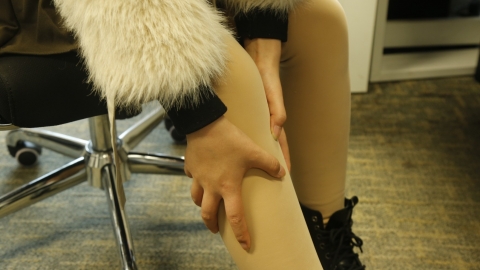
1. Improper sleeping posture
If the feet are under pressure or in an awkward position for a prolonged period during a nap, it may affect local blood circulation, causing foot numbness. Associated symptoms may include foot weakness and symptom relief after movement. It is recommended to adjust sleeping posture, avoid prolonged pressure on the feet, and symptoms usually improve after appropriate movement.
2. Excessive nap duration
Excessively long naps may lead to increased energy consumption, slowed metabolism, and impaired blood circulation, affecting blood supply to nerve endings, thus causing foot numbness. Associated symptoms may include drowsiness and fatigue. It is recommended to control nap duration, avoid excessive napping, and maintain a regular sleep schedule.
3. Peripheral neuropathy
Chronic diseases or metabolic abnormalities causing peripheral neuropathy may slow nerve conduction velocity and obstruct nerve signal transmission, manifesting as foot numbness after napping. It may also be accompanied by pain, tingling, muscle weakness, particularly worsening at night or after rest. It is recommended to take medications such as carbamazepine tablets, oxcarbazepine tablets, or gabapentin capsules under a doctor's guidance.
4. Multiple sclerosis
Multiple sclerosis is mainly caused by the combined effects of autoimmune reactions, viral infections, and other factors. In patients, the immune system mistakenly attacks the myelin sheath of the nervous system, slowing or even interrupting nerve conduction, manifesting as foot numbness after napping. Symptoms may include blurred vision, limb weakness, balance disorders, and can recur. It is recommended to take medications such as glatiramer acetate injection, dimethyl fumarate enteric-coated capsules, or teriflunomide tablets under a doctor's guidance.
5. Cervical spondylosis
Long-term cervical strain or degeneration may lead to cervical spondylosis. When cervical lesions occur, intervertebral disc herniation or bone spurs may compress the spinal cord or nerve roots, affecting normal nerve signal conduction. Particularly when the head and neck are in certain positions, nerve compression worsens, causing foot numbness. It may be accompanied by neck pain, shoulder and back pain, and arm numbness. It is recommended to follow medical advice to take medications such as aceclofenac tablets, Jingfukang granules, or mecobalamin tablets to alleviate symptoms.
It is recommended not to rush getting up immediately after waking from a nap; first move the ankles by rotating clockwise and counterclockwise, then flex and extend the toes, followed by slowly getting up and walking to help relieve numbness.


