


What causes pain in the scalp at the back of the head on the left side?

Generally, pain in the scalp at the back of the left head may be caused by excessive tension and stress, unhealthy lifestyle habits, tension-type headaches, migraines, cervical spondylosis, and other factors. Symptomatic management through general treatment, medication, and other methods may be necessary. If discomfort persists, it is recommended to seek timely medical attention and undergo appropriate treatment under a physician's guidance. Detailed explanations are as follows:
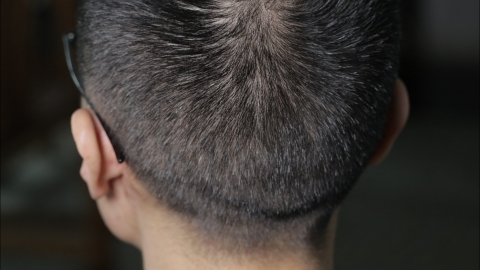
1. Excessive Tension and Stress
Prolonged states of tension and stress may lead to tightness in the neck muscles, thereby affecting blood circulation in the scalp and causing pain in the scalp at the back of the left head. It is recommended to take adequate rest and employ relaxation and stress-reduction techniques such as deep breathing, meditation, yoga, or engaging in light activities, which may help alleviate the pain.
2. Unhealthy Lifestyle Habits
Long-term unhealthy lifestyle habits, such as constantly looking down at a mobile phone, computer, or working at a desk for extended periods, may cause tension in the neck muscles and ligaments, leading to pain in the scalp at the back of the left head, potentially accompanied by symptoms such as neck stiffness and shoulder discomfort. It is recommended to improve sitting posture, regularly exercise the neck and shoulder muscles, and avoid maintaining the same posture for prolonged periods.
3. Tension-Type Headache
Prolonged mental stress, muscle tension, insufficient sleep, and other factors may trigger tension-type headaches, commonly presenting as a tight or pressing sensation on both sides of the head, but may also be localized to one side of the head or scalp. It may be accompanied by symptoms such as anxiety, depression, and sleep disturbances. It is recommended to use medications such as aspirin enteric-coated tablets, ibuprofen tablets, naproxen capsules, and others under a physician's guidance for treatment.
4. Migraine
Migraines are typically associated with genetic factors, imbalances in neurochemical substances, and abnormal neural pathways in the brain. During a migraine attack, blood vessels in the brain dilate, inflammatory substances are released, stimulating surrounding nerve endings and producing intense pain. Migraine attacks may be preceded by warning symptoms, such as visual disturbances or sensory abnormalities. It is recommended to use medications such as topiramate tablets, indomethacin tablets, nimodipine tablets, and others as directed by a physician to relieve symptoms.
5. Cervical Spondylosis
Chronic strain and degeneration of the cervical spine may lead to cervical spondylosis. Patients with cervical spondylosis may experience pain in the scalp at the back of the left head due to intervertebral disc degeneration and bone spurs, which may compress nerve roots or the spinal cord. This may be accompanied by symptoms such as neck stiffness, restricted movement, and numbness in the upper limbs. It is recommended to use medications such as aceclofenac tablets, Jingfukang granules, mecobalamin tablets, and others under medical supervision to alleviate symptoms.
It is advisable to avoid maintaining the head in a fixed position for prolonged periods and to regularly move the head and neck, which can help promote blood circulation and relieve pain.


