


How can patients with hypothyroidism improve their gastrointestinal function?
Mar 19, 2025
Source: Cainiu Health

Dr. Shen Yonghua
Introduction
Hypothyroidism, also known as underactive thyroid, refers to decreased function of the thyroid gland. Patients with hypothyroidism can improve gastrointestinal function through various approaches, including adjusting dietary patterns, supplementing with digestive aids, optimizing meal timing, avoiding gastrointestinal irritants, moderately promoting gastrointestinal motility, and using traditional Chinese medicine for auxiliary regulation. Drinking aged tangerine peel and hawthorn tea may help alleviate food stagnation, while drinking water boiled with radish seed (Lepidii Semen) can help relieve abdominal distension.
Hypothyroidism, also known as underactive thyroid, refers to decreased thyroid function. Patients with hypothyroidism can improve gastrointestinal function through adjustments in diet, supplementation with digestive aids, optimization of eating patterns, avoidance of gastrointestinal irritants, moderate promotion of gastrointestinal motility, and adjunctive traditional Chinese medicine (TCM) regulation. If concerns persist, early medical consultation is recommended. Detailed explanations are as follows:
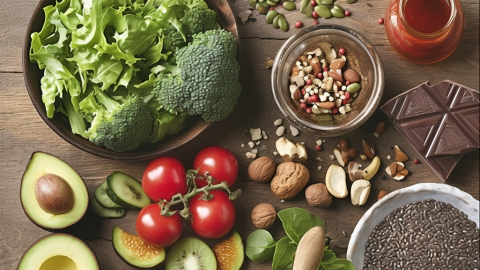
1. Adjusting dietary structure: Adopt a high-fiber, low-fat diet, with a daily fiber intake of 25–30g, complemented by olive oil to improve fat digestion. Grinding nuts into powder enhances absorption, while fried foods should be avoided to prevent increased digestive burden. For patients with bile stasis, increasing the proportion of boiled vegetables is recommended.
2. Supplementing with digestive aids: Take pancreatic enzyme preparations with meals; patients with insufficient gastric acid may combine with β-glucuronidase. Ensure a 4-hour interval between these supplements and levothyroxine. Lactase supplements can be added for individuals with lactose intolerance. Short-term glutamine supplementation is recommended for patients with leaky gut syndrome to repair the intestinal barrier.
3. Optimizing eating patterns: Establish a regular schedule of "three main meals plus two snacks," taking medication one hour after breakfast. Chewing each bite 20–30 times per meal can stimulate gastric emptying. Avoid eating two hours before bedtime. For those experiencing significant bloating, lying in a prone position for 10 minutes may help promote gastric emptying.
4. Avoiding gastrointestinal irritants: Strictly avoid gluten, lactose, and spicy or irritating foods. Refrain from drinking coffee on an empty stomach; ginger tea may be used instead to relieve gastric discomfort. Patients with excessive gastric acid may use slippery elm bark powder to protect the gastric mucosa.
5. Adjunctive TCM regulation: Drinking tangerine peel and hawthorn tea can improve food stagnation, while radish seed (Lai Fu Zi) decoction may help relieve abdominal distension. Patients with spleen-stomach cold deficiency may benefit from moxibustion at the Shenque point (CV8) with ginger隔姜灸, while those with damp-heat constitution may drink dandelion and honeysuckle tea to regulate intestinal microecology.
It is recommended to maintain a healthy lifestyle with sufficient sleep, improved dietary habits, and overall regulation of physical condition to support general health.
References
[1] Liu Lijun. Analysis of clinical nursing effects in a patient with chronic lymphocytic thyroiditis complicated with hypothyroidism and bilateral pneumonia [J]. Journal of Tuberculosis and Pulmonary Diseases, 2024, 5(S1):132-135.
[2] Xiang Haixiang. Nursing care for 140 cases of hypothyroidism [J]. DaJia Health (Academic Edition), 2015, 9(19):230.




