


What Causes Generalized Body Aches in the Elderly?

Generally, body aches in the elderly may be caused by declining physical function, excessive exercise, osteoporosis, osteoarthritis, rheumatoid arthritis, and other conditions. Symptomatic management through general treatment and medication may be necessary. If discomfort persists, it is recommended to seek timely medical attention and undergo appropriate treatment under a physician's guidance. Detailed explanations are as follows:
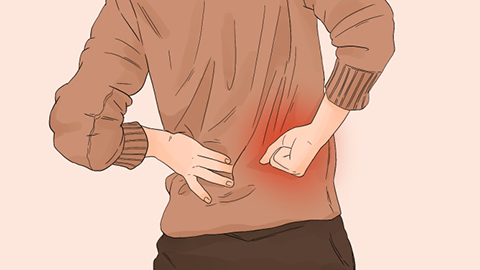
1. Declining Physical Function
With advancing age, elderly individuals experience reduced muscle mass and strength. Muscles fatigue more easily and recover more slowly. Routine activities such as walking or climbing stairs may increase the burden on muscles, leading to lactic acid accumulation and generalized body aches. It is recommended to promote lactic acid metabolism and relieve pain through daily massage or heat application.
2. Excessive Exercise
Excessive physical activity in the elderly may lead to muscle fatigue and lactic acid buildup, causing generalized body aches, often accompanied by muscle soreness and stiffness. Severe cases may affect daily activities. It is recommended to appropriately reduce exercise intensity and focus on stretching and relaxation after physical activity.
3. Osteoporosis
Osteoporosis weakens bone structure, making fractures more likely even from minor trauma, especially in the spine and hip. This can cause generalized pain and may be accompanied by symptoms such as height loss and kyphosis (curvature of the spine). It is recommended to follow medical advice and use medications such as calcium carbonate tablets, alfacalcidol soft capsules, and elcatonin injection to alleviate symptoms.
4. Osteoarthritis
With aging, joint cartilage gradually wears away, causing bones to come into direct contact, which leads to inflammatory reactions and pain. Muscles and ligaments surrounding the joints may also be affected, intensifying the sensation of pain. Symptoms may include limited joint movement, morning stiffness, and joint swelling. It is recommended to follow medical advice and use medications such as glucosamine sulfate tablets, glucosamine hydrochloride tablets, and Gukang capsules for treatment.
5. Rheumatoid Arthritis
Rheumatoid arthritis is an autoimmune disease in which the immune system mistakenly attacks joint tissues, causing inflammation that leads to joint swelling, pain, and functional impairment. It is often accompanied by morning stiffness, joint deformities, and fatigue. It is recommended to follow medical advice and use medications such as hydroxychloroquine sulfate tablets, azathioprine tablets, and methylprednisolone tablets to alleviate symptoms.
It is recommended that elderly individuals ensure sufficient sleep, aiming for 7-8 hours per night, to allow time for the body to repair itself.


