


Why do my feet go numb after squatting for a long time?

Generally, prolonged squatting may cause foot numbness due to reasons such as impaired blood circulation, nerve compression, peripheral neuropathy, multiple sclerosis, lumbar disc herniation, and other conditions. Symptomatic management through general treatments, medications, and other methods is usually required. If discomfort persists, timely medical consultation is recommended to receive appropriate treatment under a doctor's guidance. Detailed explanations are as follows:
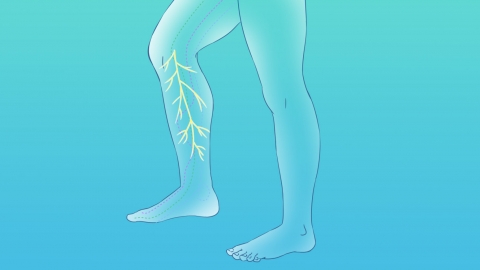
1. Impaired Blood Circulation
Maintaining a squatting position for extended periods can compress the soft tissues and blood vessels in the lower limbs, leading to poor circulation and insufficient blood supply to the feet, which may cause localized numbness and weakness. Usually, no specific treatment is required, and symptoms can be relieved by appropriately moving the feet.
2. Nerve Compression
Prolonged squatting can continuously compress the nerves in the feet, causing nerve damage or impaired nerve conduction, which results in localized numbness. This condition typically does not accompany other symptoms, and the numbness gradually subsides upon standing. At this time, changing positions appropriately, avoiding prolonged squatting, can help reduce the degree of nerve compression.
3. Peripheral Neuropathy
Viral infections or autoimmune reactions may cause peripheral neuropathy, where inflammatory responses damage nerve fibers. Squatting may exacerbate nerve compression, leading to foot numbness, possibly accompanied by pain, tingling, and muscle weakness. It is recommended to follow medical advice to use medications such as carbamazepine tablets, oxcarbazepine tablets, or gabapentin capsules to alleviate symptoms.
4. Multiple Sclerosis
Multiple sclerosis is mainly caused by the combined effects of autoimmune reactions, viral infections, and other factors, resulting in damage to the myelin sheath of nerves. In a squatting position, the nerve conduction impairment becomes more apparent, causing foot numbness, possibly accompanied by blurred vision, limb weakness, and balance disorders. It is recommended to follow medical advice to use medications such as recombinant human interferon beta-1b for injection, glatiramer acetate injection, dimethyl fumarate enteric-coated capsules, and others for treatment.
5. Lumbar Disc Herniation
Trauma, cold exposure, and other factors may lead to lumbar disc herniation. Patients typically experience persistent lower back pain, leg pain, and other discomforts, which may also be accompanied by leg numbness and muscle weakness. Prolonged squatting can worsen the compression of nerve roots by the lumbar disc, making numbness more pronounced. Patients can follow medical advice to use medications such as Gentongping Granules, Yaotongning Capsules, Duhuo Jisheng Pills, and others to alleviate symptoms.
It is recommended not to excessively compress the legs while squatting, distribute the weight evenly on both feet, and slightly point the toes outward to achieve a more reasonable distribution of body weight, thus reducing pressure on the blood vessels and nerves in the legs.


