What are the symptoms of neurological disorders?
Mar 19, 2025
Source: Cainiu Health

Dr. Lv Zhiqin
Introduction
Under normal circumstances, symptoms of neurological disorders may include sensory disturbances, abnormal reflexes, headache, dizziness, and visual impairments. In daily life, it is important to maintain a healthy lifestyle, including regular作息 (作息 should be translated as作息 here, but since it's part of a sentence, the appropriate translation would be "regular作息" -> "regular作息" should be replaced with the correct English equivalent based on context, which is "作息" refers to work-rest patterns, so "regular作息" can be translated as "regular work-rest patterns" or "consistent作息" can be translated as "consistent作息" -> "consistent daily routines"), ensuring sufficient sleep, aiming for 7-8 hours of high-quality sleep each night, and avoiding staying up late or excessive fatigue. Maintain a balanced diet and ensure adequate intake of various nutrients.
Generally, symptoms of neurological disorders include sensory disturbances, abnormal reflexes, headache, dizziness, and visual impairments. Detailed explanations are as follows:
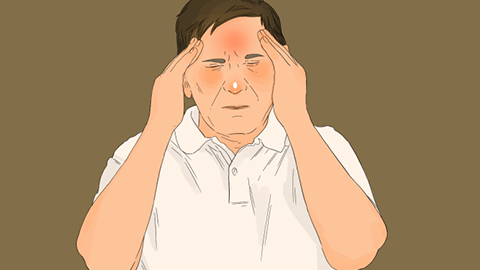
1. Sensory Disturbances
Damage to the sensory conduction pathways of the nervous system, such as nerve inflammation or spinal cord injury, can affect the normal transmission and processing of nerve signals. Patients may experience hypersensitivity, with exaggerated responses to mild stimuli such as touch or temperature changes. Alternatively, they may develop hypoesthesia, characterized by reduced sensitivity to pain or touch, or even complete sensory loss in certain areas.
2. Abnormal Reflexes
Disorders of the neural reflex arc, such as spinal cord lesions, peripheral nerve injuries, or damage to central nervous system structures, can interfere with the normal regulation and conduction of reflexes, resulting in either hyperreflexia or hyporeflexia. For example, in the knee-jerk reflex, hyperreflexia may cause an abnormally rapid and forceful leg movement in response to a light tap on the knee, while hyporeflexia may result in little or no response despite normal stimulation.
3. Headache
Vascular headaches are often caused by dysfunction in the dilation and constriction of cerebral blood vessels, leading to vascular expansion or spasm that stimulates nerve endings and causes pain. Tension-type headaches are primarily caused by prolonged muscle tension in the head and neck regions, which compresses nerves and blood vessels, generating pain signals.
4. Dizziness
Lesions affecting the vestibular receptors in the inner ear, related neural pathways, or the central nervous system can lead to errors in the perception of spatial orientation and motion. Patients may experience illusions of movement, such as spinning, swaying, or floating sensations, either involving themselves or their surroundings.
5. Visual Impairment
Lesions in ocular nerves, blood vessels, the retina, or brain regions involved in visual processing can disrupt the transmission and interpretation of visual information, leading to visual disturbances.
In daily life, it is important to maintain a healthy lifestyle, including regular sleep patterns, ensuring sufficient high-quality sleep (7–8 hours per night), avoiding late nights and excessive fatigue. A balanced diet rich in vegetables, fruits, whole grains, and fish should be maintained, while intake of high-sugar, high-fat, and high-salt foods should be reduced.