What are the symptoms of night blindness?
Mar 19, 2025
Source: Cainiu Health

Dr. Wang Shuai
Introduction
In general, symptoms of night blindness include decreased dark adaptation ability, dry eyes, nystagmus, fundus lesions, and abnormal color vision. In daily life, it is important to maintain a balanced diet and consume adequate amounts of vitamin A-rich foods such as animal liver, carrots, and spinach, in order to maintain normal eye function; regular eye examinations should also be conducted to prevent the occurrence of night blindness.
Generally, symptoms of night blindness include decreased dark adaptation ability, dry eyes, nystagmus, fundus lesions, and color vision abnormalities. The specific analysis is as follows:
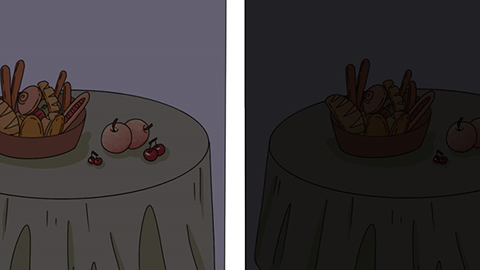
1. Decreased Dark Adaptation Ability
Rod cells are retinal cells responsible for low-light vision. Patients with night blindness have impaired rod cell function, resulting in reduced ability to synthesize rhodopsin, or vitamin A deficiency affecting rhodopsin synthesis. This causes the eyes to be unable to quickly adjust and adapt to low-light environments when moving from bright to dark areas, leading to decreased dark adaptation ability.
2. Dry Eyes
Vitamin A contributes to the formation of light-sensitive substances in the eye and is crucial for maintaining the integrity of ocular surface epithelial cells. Patients with night blindness suffer from vitamin A deficiency, causing ocular surface epithelial cells to become dry and keratinized, affecting the tear glands' secretory function and resulting in insufficient tear production, which leads to dry eyes.
3. Nystagmus
Congenital night blindness is often caused by genetic factors leading to developmental defects in retinal or optic nerve structures, or gene mutations affecting visual signal transmission pathways. These disruptions interfere with the normal function of the eye movement control center, causing involuntary rhythmic eye movements known as nystagmus.
4. Fundus Lesions
Retinitis pigmentosa is caused by gene mutations that lead to dysfunction of retinal pigment epithelial cells, which are unable to metabolize and clear metabolic waste normally. These substances gradually accumulate, forming bone cell-like pigment deposits that damage retinal structures, affecting the retina's ability to sense and transmit light signals, thereby presenting characteristic fundus lesions during eye examinations.
5. Color Vision Abnormalities
Cone cells are essential retinal cells responsible for color vision. If night blindness affects the metabolism or nutrient supply of cone cells, or if retinal disease involves and damages the cone cells, it can impair their function, altering the ability to perceive different wavelengths of light and ultimately causing color vision abnormalities, making it difficult to accurately distinguish colors.
In daily life, maintaining a balanced diet and consuming more foods rich in vitamin A, such as animal livers, carrots, and spinach, can help maintain normal ocular physiological functions. Regular eye examinations should also be conducted to detect and treat potential eye problems early, preventing the occurrence of night blindness.