What causes petechiae in newborns?
Mar 20, 2025
Source: Cainiu Health

Dr. Zhou Xiaofeng
Introduction
In general, the occurrence of petechiae in newborns may be caused by factors such as birth trauma, pressure-induced purpura, vitamin K deficiency, allergic purpura, or deficiency of coagulation factors. Symptomatic management may include general treatment, medication, and blood component transfusion therapy. In daily life, parents should closely monitor the newborn and provide scientifically sound and appropriate feeding, which helps ensure the infant's healthy growth and development.
Generally, the appearance of petechiae in newborns may be caused by birth trauma, pressure purpura, vitamin K deficiency, allergic purpura, or deficiency of coagulation factors. Symptomatic management such as general treatment, medication, or blood component transfusion may be required. If a newborn develops any discomfort, prompt medical evaluation and treatment at a hospital are recommended. Detailed explanations are as follows:
1. Birth Trauma
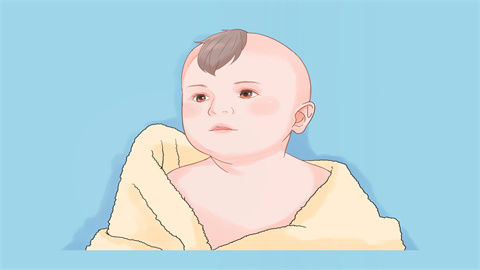
In newborns, especially second or later births, the face may be compressed during delivery through the birth canal, resulting in subcutaneous hemorrhage on the face. However, this type of bleeding is usually absorbed easily. These petechiae generally do not affect the newborn's normal growth and development, and will resolve spontaneously as the infant ages.
2. Pressure Purpura
Excessive crying or vomiting in newborns can increase internal pressure, causing capillary walls to rupture under pressure and allowing red blood cells to leak from the vessels, resulting in purpura. This typically presents as small red spots or red patches on the skin. Preventive measures include avoiding triggers such as excessive crying and vomiting, and maintaining emotional stability in the newborn.
3. Vitamin K Deficiency
Newborns have low stores of vitamin K in the liver, and their intestinal flora is not yet fully established, limiting their ability to synthesize vitamin K. Consequently, coagulation factors may not be adequately synthesized, leading to a tendency to bleed. Petechiae may appear in any part of the body. It is recommended to use medications such as vitamin K1 injection, vitamin K4 tablets, and methylcobalamin injection under medical guidance to prevent bleeding tendencies.
4. Allergic Purpura
After exposure to allergens, newborns may develop an allergic reaction, increasing capillary fragility and permeability, which can lead to skin petechiae. These are usually accompanied by symptoms such as skin swelling, itching, and joint pain. It is recommended to use medications such as cetirizine hydrochloride capsules, loratadine tablets, and compound acetic acid dexamethasone cream under medical supervision for treatment.
5. Coagulation Factor Deficiency
Congenital or acquired factors may lead to insufficient synthesis of coagulation factors, resulting in impaired blood clotting and spontaneous bleeding. This may be accompanied by symptoms such as subcutaneous hematomas, joint bleeding, or muscle hemorrhage. It is recommended to correct abnormal coagulation factor levels by transfusing fresh frozen plasma or cryoprecipitate under medical supervision.
In daily life, parents should closely monitor the newborn and provide scientifically appropriate feeding to promote healthy growth and development.
References
[1] Fang Yunhai, Cheng Yan, Zhang Xinsheng. Hemophilia Treatment and Transfusion Medicine [J]. Chinese Journal of Blood Transfusion, 2025, 38(02): 168-171.
[2] Author Index of the 6th Volume of "Chinese Journal of Pediatric Integrative Medicine" in 2014 [J]. Chinese Journal of Pediatric Integrative Medicine, 2014, 6(06): 577-587.