


Why does my arm go numb after waking up from sleep?

Generally, waking up with a numb arm may be caused by improper sleeping posture, localized pressure, multiple sclerosis, Raynaud's phenomenon, cervical spondylosis, and other reasons. Symptomatic management such as general treatment and medication might be needed. If discomfort persists, it is recommended to seek timely medical advice and undergo corresponding treatments under a doctor's guidance. Detailed analysis is as follows:
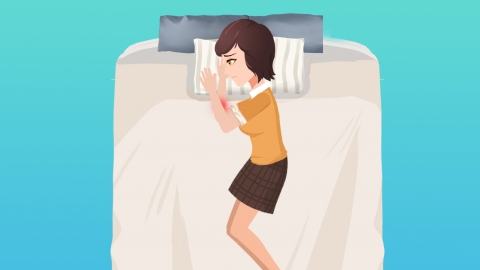
1. Improper sleeping posture
Maintaining the same posture for a prolonged period during sleep, especially lying on one side and compressing the arm, may lead to poor local blood circulation and impaired nerve conduction, thus causing arm numbness. This condition typically does not accompany other symptoms, and the numbness usually improves after changing posture or engaging in mild physical activity.
2. Localized pressure
During sleep, if the arm is compressed by the body or other objects, it may also result in poor blood circulation and nerve compression, leading to numbness. Avoiding pressure on the arms during sleep is recommended. One may choose to lie on the back or adjust sleeping posture to ensure sufficient space for arm movement.
3. Multiple sclerosis
Multiple sclerosis is mainly caused by a combination of factors such as autoimmune reactions and viral infections. In patients, the immune system mistakenly attacks the myelin sheath of nerve fibers, affecting normal nerve signal conduction, leading to symptoms such as limb numbness and weakness. It may also be accompanied by visual impairment, balance disorders, and fatigue. It is recommended to follow medical advice to use medications such as recombinant human interferon beta-1b for injection, glatiramer acetate injection, dimethyl fumarate enteric-coated capsules, and others to alleviate symptoms.
4. Raynaud's phenomenon
Raynaud's phenomenon is primarily triggered by cold stimulation, emotional fluctuations, and other factors. When exposed to cold environments or emotional stress, small arteries in the fingers and toes spasm, reducing blood flow and causing tissue hypoxia and numbness. As body temperature returns to normal or emotions stabilize, the blood vessels recover, and the numbness subsides. The affected areas may appear white or blue initially, then turn red, accompanied by a prickling sensation. It is recommended to use medications such as nitroglycerin patches, amlodipine tablets, prazosin hydrochloride tablets, and others under a doctor's guidance for treatment.
5. Cervical spondylosis
Cervical spondylosis may be caused by improper sleeping positions, excessive neck movement, and other factors. In cervical spondylosis, abnormal changes in the cervical spine structure may compress the cervical nerve roots, impairing nerve conduction and causing symptoms such as arm numbness and weakness. As the condition progresses, the numbness may become more persistent. Cervical spondylosis may also be accompanied by neck pain, shoulder and back aches, and headaches. It is recommended to follow medical advice to use medications such as aceclofenac tablets, Jingfukang granules, mecobalamin tablets, and others to alleviate symptoms.
When experiencing arm numbness, it is advisable to gently move the shoulders and neck first, which can help relax muscles that may be compressing nerves and relieve the numbness.


