


What causes anal pain?
Mar 20, 2025
Source: Cainiu Health

Dr. Li Jingxiang
Introduction
Consuming large amounts of spicy and irritating foods, such as chili peppers and mustard, can stimulate the anal mucosa and nerves, causing pain that is more noticeable during bowel movements, often accompanied by a burning sensation. To improve this condition, dietary adjustments are needed: reduce intake of such foods, eat more vegetables, fruits, and whole grains, increase water consumption to ensure smooth bowel movements, and maintain a daily water intake of 1500–2000 milliliters.
Anal pain may be caused by dietary irritation, poor bowel habits, anal fissures, hemorrhoids, perianal abscesses, and other conditions. Appropriate management can be selected based on specific circumstances. If discomfort symptoms appear, it is recommended to seek medical attention at a hospital as soon as possible and follow medical advice for treatment.
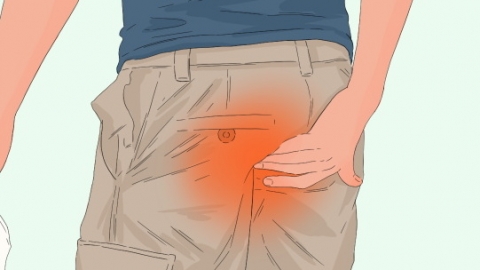
1. Dietary irritation: Consuming large amounts of spicy or irritating foods, such as chili peppers and mustard, can stimulate the anal mucosa and nerves, causing pain that is more noticeable during defecation, often accompanied by a burning sensation. Improvement requires dietary adjustments, reducing intake of such foods, eating more fruits, vegetables, and whole grains, increasing water intake to ensure 1500-2000 milliliters daily, and maintaining regular bowel movements.
2. Poor bowel habits: Long-term suppression of bowel movements and excessive straining during defecation can place pressure on the tissues around the anus, easily causing pain, a feeling of heaviness before and after defecation, and occasional minor bleeding. It is important to develop regular bowel habits, defecate at fixed times daily, avoid suppressing bowel movements, avoid excessive straining or spending too much time on the toilet, and keep defecation within approximately 5 minutes.
3. Anal fissure: Hard stools and straining during defecation can cause a full-thickness tear in the anal skin, forming an ulcer. Symptoms include severe anal pain during defecation, which is cyclical, along with small amounts of bright red blood in the stool. Patients can use glyceryl trinitrate ointment, compound carrageenan suppositories, or kangfuxin liquid under medical guidance to alleviate symptoms.
4. Hemorrhoids: Congestion and swelling of the venous plexus in the rectum or lower rectum can lead to pain when defecation causes compression and friction. Symptoms often include bleeding and prolapse of masses. It is recommended to follow medical advice and use medications such as Ma Ying Long Musk Hemorrhoid Ointment, Gang Tai suppositories, or diosmin tablets to relieve discomfort.
5. Perianal abscess: Infection of the anal glands spreading to the surrounding tissues forms an abscess, causing persistent severe anal pain, redness, swelling, heat, and possibly systemic symptoms. Patients can use amoxicillin capsules, metronidazole tablets, or ichthammol ointment under medical guidance to improve symptoms.
In daily life, learning relaxation techniques such as deep breathing, yoga, or warm water baths can help relieve tension in the anal sphincter muscles.
References:
[1] Chen Huiqing, Hu Xiaoling, Peng Junliang. Research Progress on the Treatment of Postoperative Complications of Anal Fissures with Traditional Chinese Medicine [J]. Guangming Journal of Traditional Chinese Medicine, 2025, 40(02): 389-393.
[2] Wen Wen. Application Progress of Five-in-One TCM Nursing Health Management in Patients with Hemorrhoids [J]. Chinese Journal of Metallurgical Industry Medicine, 2025, 42(01): 15.


