


What causes pain in the middle of the spine in the upper back?

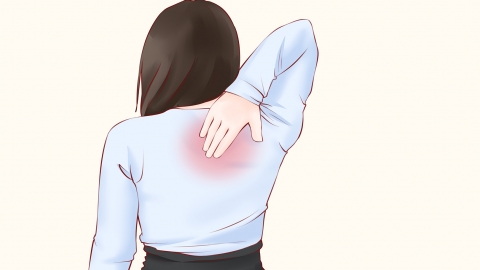
Generally, pain in the middle of the spine in the upper back area may be caused by poor posture, overexertion, lumbar disc herniation, ankylosing spondylitis, osteoporosis, and other related factors. If you experience any discomfort, please seek medical attention promptly and undergo symptomatic treatment under the guidance of a qualified physician. A detailed explanation is as follows:
1. Poor Posture
Maintaining incorrect posture for prolonged periods, such as slouching or sitting with the head lowered, can place the muscles and ligaments surrounding the spine in a tense state. This can lead to fatigue and strain, ultimately causing pain in the middle of the spinal area in the upper back. In daily life, it is important to maintain correct sitting and standing postures, avoid staying in the same position for extended periods, regularly get up and move around, perform simple stretching exercises, and relax the muscles surrounding the spine.
2. Overexertion
Engaging in heavy physical labor or high-intensity physical exercise, such as carrying heavy objects for long periods or excessive sit-ups, can place excessive pressure and strain on the spine. This may result in minor injuries and cause pain. It is recommended to plan work and exercise intensity reasonably and avoid overexertion. Before performing heavy physical labor or high-intensity exercise, it is important to warm up adequately; after exercising, perform appropriate stretching and relaxation exercises to relieve muscle fatigue.
3. Lumbar Disc Herniation
Lumbar disc herniation is mainly caused by factors such as disc degeneration, accumulated injuries, and excessive lumbar load. Under the influence of degeneration or external forces, the nucleus pulposus of the intervertebral disc protrudes through a weak point in the annulus fibrosus, compressing surrounding nerve tissues and causing pain. Symptoms may also include radiating pain and numbness in the lower limbs. Treatment may include medications such as mecobalamin tablets, Gentongping Granules, and Tongluo Qutong Plaster, as directed by a physician.
4. Ankylosing Spondylitis
Ankylosing spondylitis may be related to factors such as heredity, immune dysfunction, and infection. The immune system mistakenly attacks the spinal joints and surrounding tissues, triggering chronic inflammation that gradually causes ossification and stiffness of the spinal joints and ligaments, leading to pain in the middle of the spine in the upper back. This condition may also be accompanied by joint pain and muscle spasms. Patients may follow medical advice to use medications such as celecoxib capsules, diclofenac sodium sustained-release tablets, and loxoprofen sodium tablets to alleviate symptoms.
5. Osteoporosis
Osteoporosis is primarily associated with factors such as aging, decreased estrogen levels, and deficiencies in calcium and vitamin D. Osteoporosis leads to reduced bone density, with thinning, narrowing, and even fractures of trabecular bone, decreasing the spine's load-bearing capacity. Minor external forces can cause microfractures, which stimulate surrounding nerves and result in the aforementioned symptoms. Symptoms may also include kyphosis and increased susceptibility to fractures. Patients may take medications such as calcium acetate capsules, calcium carbonate D3 tablets, and calcium lactate tablets as recommended by a doctor.
In daily life, it is important to avoid getting chilled in the waist area and to dress appropriately according to weather changes. When exercising, master the correct techniques to avoid spinal injuries caused by improper posture.


