


Why is the left lateral position more suitable for fetal heart rate monitoring?

Generally, the left lateral position is more suitable for fetal heart rate monitoring due to reasons such as improvement of uterine dextrorotation, reduction of inferior vena cava compression, maintenance of uterine artery blood flow, promotion of fetal growth and development, and facilitation of labor progression. The detailed explanations are as follows:
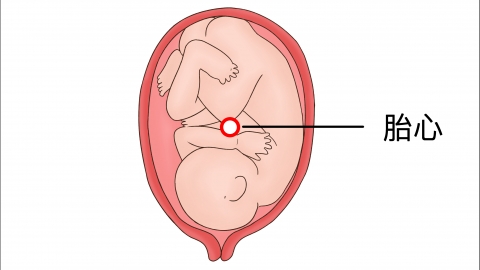
1. Improvement of uterine dextrorotation: Due to anatomical relationships within the pelvic cavity, including the rectum and other tissues, the uterus commonly exhibits a rightward rotation. The left lateral position allows the rotated uterus to shift toward the left, thereby reducing tension on uterine vessels, increasing placental blood flow, and improving the oxygen supply to the fetus.
2. Reduction of inferior vena cava compression: The left lateral position alleviates compression of the enlarged uterus on the inferior vena cava, increasing venous return to the heart. This not only helps improve cerebral blood supply but also helps prevent or reduce the occurrence of pregnancy-induced hypertension syndrome.
3. Maintenance of uterine artery blood flow: The left lateral position reduces pressure exerted by the enlarged uterus on the aorta and iliac arteries, helping maintain normal blood flow through the uterine arteries. This ensures adequate placental perfusion and provides essential nutrients for fetal growth and development.
4. Promotion of fetal growth and development: By improving fetal oxygenation status and placental blood flow, the left lateral position supports fetal growth and development. This helps reduce the incidence of low birth weight infants and lowers perinatal mortality rates.
5. Facilitation of labor progression: During the active phase of labor, the left lateral position utilizes the gravitational effect of the fetus within the amniotic fluid, allowing the fetal head to descend smoothly along the oblique diameter of the pelvis. With adequate uterine contractions, this position can correct mild cephalopelvic disproportion, reduce the incidence of dystocia, and promote labor progression.
The left lateral position provides better conditions for fetal heart rate monitoring and ensures fetal safety and well-being. Therefore, pregnant women are advised to adopt the left lateral position during fetal heart rate monitoring.
References:
[1] Xie X, Kong B, Duan T. Obstetrics and Gynecology (9th Edition) [M]. Beijing: People's Medical Publishing House, 2018.
[2] Chen X, Li G. Practical Fetal Monitoring (2nd Edition) [M]. Beijing: People's Medical Publishing House, 2021.


