


Why do leftover vegetables overnight tend to cause diarrhea?

Generally speaking, the causes of diarrhea from eating leftover vegetables overnight include bacterial growth, nitrite poisoning, food spoilage, changes in nutritional components, and intestinal sensitivity. The specific details are as follows:
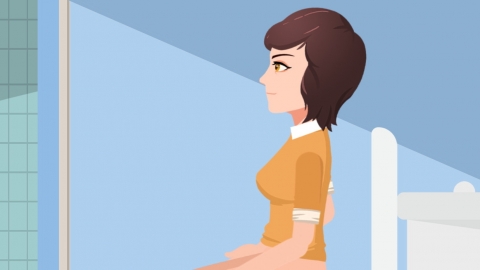
1. Bacterial Growth: Leftover vegetables stored for extended periods are susceptible to bacterial contamination, such as Escherichia coli and Salmonella. These bacteria can multiply rapidly under favorable temperature and humidity conditions. Once ingested, they may disrupt the normal intestinal flora, cause intestinal inflammation, and lead to diarrhea.
2. Nitrite Poisoning: Nitrates present in vegetables can be converted into nitrites by bacteria. The nitrite content in leftover vegetables may increase over time. Upon entering the body, nitrites oxidize ferrous hemoglobin in the blood into methemoglobin, which loses its ability to transport oxygen, leading to oxygen deficiency in various tissues and organs.
3. Food Spoilage: Leftover vegetables may spoil during storage, showing signs such as unpleasant odors, color changes, or altered texture. Spoiled food contains harmful chemical substances and toxins that can irritate the intestinal mucosa, interfere with normal digestion and absorption processes in the gut, and consequently cause diarrhea.
4. Nutritional Component Changes: The nutritional components of leftover vegetables may change over time. These alterations may affect the digestion and absorption processes of food. The digestive system might not adapt well to these changes in nutritional composition, which could trigger gastrointestinal reactions and lead to diarrhea.
5. Intestinal Sensitivity: Some individuals have more sensitive intestines and poor tolerance to changes in food. Certain components or alterations in leftover vegetables may irritate the intestines, causing diarrhea symptoms in individuals with sensitive digestive systems.
To avoid diarrhea, consumption of leftover vegetables should be minimized. If it is necessary to store vegetables, appropriate methods should be used, such as sealing and refrigeration. The condition of the vegetables should be carefully examined before consumption, and any abnormal-looking vegetables should be discarded immediately. Additionally, maintaining good personal hygiene habits, such as frequent handwashing, can also help prevent diseases like diarrhea.
References:
[1] Chinese Nutrition Society. Chinese Dietary Guidelines (2022) [M]. Beijing: People's Health Publishing House, 2022.


