


Why can't raw soy milk be eaten with eggs?

Generally, there are several reasons why raw soy milk should not be consumed with eggs, including interference with protein absorption, increased gastrointestinal burden, improper calcium-phosphorus ratio affecting calcium absorption, increased risk of gas production, and potential food allergies. The specific details are as follows:
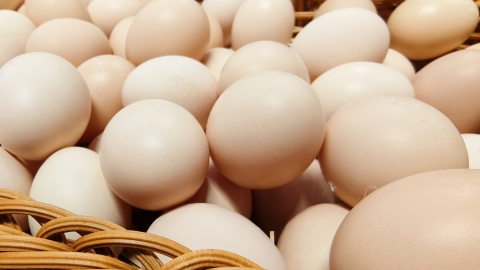
1. Interference with Protein Absorption
Raw soy milk contains trypsin inhibitors, substances that inhibit the activity of trypsin, thus affecting protein digestion and absorption. Eggs are high-protein foods; when consumed together with raw soy milk containing trypsin inhibitors, it may result in incomplete breakdown and absorption of protein, reducing the nutritional value of both.
2. Increased Gastrointestinal Burden
Both raw soy milk and eggs are rich in protein, but the human body digests them differently and uses different digestive enzymes. Consuming large amounts of raw soy milk and eggs together may increase the digestive burden on the gastrointestinal tract, leading to indigestion and symptoms such as bloating and belching.
3. Improper Calcium-Phosphorus Ratio Affecting Calcium Absorption
Soy milk contains a certain amount of calcium, while the yolk of eggs is rich in phosphorus. When calcium and phosphorus coexist in the intestines, an improper ratio may cause excess phosphorus to combine with calcium to form insoluble calcium phosphate, thus affecting calcium absorption. Long-term consumption in this combination may lead to calcium deficiency and affect bone health.
4. Increased Risk of Gas Production
Soy milk itself can easily cause gas production, increasing intestinal gas after consumption. Eggs are rich in protein and fat, which are relatively slow to digest. When consumed together in large amounts, they may remain in the intestines for a longer time, further promoting gas production and potentially causing abdominal discomfort and increased flatulence.
5. Food Allergy Risk
Both soy milk and eggs are common food allergens. Some people may be allergic to one or both. When consumed together, if an allergic reaction occurs, it may be difficult to determine which food caused it, and the allergic symptoms might be more severe, such as rash, itching, and difficulty breathing.
To ensure food safety and nutrient absorption, it is not recommended to consume raw soy milk with eggs. If you wish to consume both soy milk and eggs together, it is advisable to boil the soy milk thoroughly to destroy harmful substances and consume them in moderation to avoid excessive gastrointestinal burden. Individuals with a history of food allergies should be especially cautious and may try a small amount first to observe for any allergic reactions.


