


Why does the stomach feel uncomfortable after a glucose tolerance test?

Glucose tolerance generally refers to the oral glucose tolerance test (OGTT). Stomach discomfort after undergoing an OGTT may be caused by high sugar stimulation, mental stress, gastritis, peptic ulcer, or gastroesophageal reflux disease (GERD), and should be managed according to specific situations. If physical discomfort occurs, it is recommended to visit a hospital promptly and follow medical advice for appropriate management.
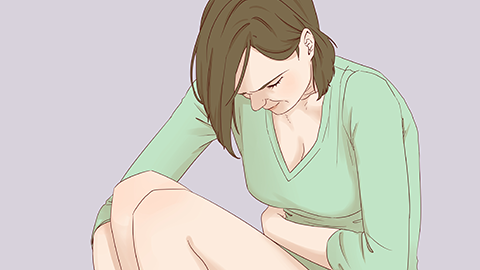
1. High sugar stimulation: The OGTT requires the ingestion of a large amount of high-concentration glucose solution within a short time. The high sugar environment can irritate the gastric mucosa, stimulate increased gastric acid secretion, and cause discomfort such as heartburn and acid regurgitation. After the test, drinking an appropriate amount of water may help dilute gastric acid and reduce the high sugar concentration in the stomach, alleviating discomfort. Avoid eating immediately after the test to provide the stomach with a certain buffer period; discomfort usually subsides on its own after several hours.
2. Mental stress: During the test, patients may experience high mental stress due to concerns about the results, which can affect autonomic nervous regulation of the stomach, causing disordered gastric motility and symptoms such as bloating and nausea. Relaxation techniques such as deep breathing or listening to music before and after the test can help relieve stress, restore normal gastric motility, and reduce discomfort.
3. Gastritis: Individuals with pre-existing gastritis already have inflamed gastric mucosa. Ingestion of a high sugar solution further irritates the affected areas, exacerbating the inflammatory response and causing stomach pain and discomfort. Common symptoms include dull or distending pain in the upper abdomen, accompanied by belching and loss of appetite. Patients may take medications such as omeprazole enteric-coated capsules, hydrotalcite chewable tablets, and domperidone tablets under a doctor's guidance to alleviate symptoms.
4. Peptic ulcer: The gastric mucosa is digested by gastric acid and pepsin, forming an ulcer. Following glucose ingestion, increased gastric acid secretion irritates the ulcerated area, causing severe stomach pain and bloating. The pain is often periodic and rhythmic, typically occurring some time after meals. It is recommended to follow medical advice and use medications such as rabeprazole sodium enteric-coated tablets, bismuth potassium citrate capsules, and康复新液 (Kangfuxin solution) to promote ulcer healing and relieve gastric discomfort.
5. Gastroesophageal reflux disease (GERD): Dysfunction of the lower esophageal sphincter, combined with stimulation by the high sugar solution, causes gastric acid to reflux into the esophagus, resulting in symptoms such as heartburn, chest pain, and stomach discomfort. Symptoms often worsen when lying down or bending over and may be accompanied by acid regurgitation and difficulty swallowing. Under medical guidance, patients can use medications such as lansoprazole enteric-coated tablets, mosapride citrate dispersible tablets, and sucralfate suspension to suppress gastric acid secretion, enhance gastrointestinal motility, and protect the esophageal mucosa.
Before the test, ensure a fasting state. After the test, drink an appropriate amount of water and avoid consuming greasy or hard-to-digest foods immediately. Gradually return to a normal diet.
References:
[1] Huang Yucheng, Dong Aimei, Huang Youyuan, et al. Research Progress on the Significance of Elevated Blood Glucose at 1 Hour During Oral Glucose Tolerance Test [J]. Chinese General Practice, 2022, 25(35): 4468-4472.
[2] Zhang Shouzhong, Zhang Shengben, Liu Tingjie. Surgical Treatment of Peptic Ulcer Disease [J]. Medical Journal of Chinese People's Liberation Army, 1966, (02): 107-110.


