


What are the causes of phlegm production in the trachea?

Normally, the causes of phlegm production in the trachea include physiological secretion, environmental factors, common cold, acute bronchitis, pneumonia, and others. Prompt medical attention is advised, and treatment should follow medical guidance. The specific details are as follows:
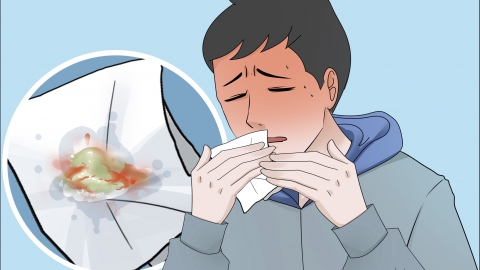
1. Physiological Secretion: The surface of the respiratory mucosa contains numerous secretory cells that produce mucus to keep the respiratory tract moist and clean. When the respiratory tract is mildly irritated, such as by cold air, dry air, or food, the secretory cells increase mucus production, resulting in phlegm formation. This typically does not require specific treatment and can be relieved by improving the living environment, maintaining indoor air humidity, and avoiding irritating foods.
2. Environmental Factors: Environmental factors such as air pollution and exposure to chemicals may irritate the respiratory tract, leading to phlegm production. Prolonged exposure to polluted environments can irritate the bronchial mucosa, causing accumulation of dust and particulate matter in the throat area. These particles mix with respiratory mucus to form phlegm. It is important to improve the living environment and avoid prolonged exposure to pollution.
3. Common Cold: A common cold is usually a respiratory illness caused by a viral infection. Viral infection leads to congestion, edema, and increased secretions from the respiratory mucosa, resulting in phlegm production, which may also be accompanied by fever. Antiviral oral solutions, Lianhua Qingwen capsules, and ibuprofen sustained-release capsules may be used under medical guidance for antiviral, anti-inflammatory, and detoxifying treatment.
4. Acute Bronchitis: Acute bronchitis is typically a respiratory inflammation caused by bacterial or viral infection. When the respiratory tract is infected, the mucosa produces large amounts of mucus to fight pathogens. This mucus is expelled from the body through coughing or sneezing, forming phlegm, which may also be accompanied by fatigue. Under a doctor's guidance, medications such as azithromycin tablets, levofloxacin hydrochloride tablets, and ribavirin granules may be used for antibacterial and antiviral treatment.
5. Pneumonia: Pneumonia may be caused by bacterial infection, viral infection, or weakened immunity, among other factors. Inflammation can cause the lungs to produce large amounts of phlegm, which is expelled through the trachea, and may also be accompanied by difficulty breathing. Under medical guidance, medications such as amoxicillin capsules, cefuroxime axetil tablets, and clarithromycin dispersible tablets may be used for anti-infective treatment.
To prevent and treat phlegm production, appropriate therapeutic measures should be taken according to the underlying cause. At the same time, lifestyle and dietary habits should be adjusted during treatment to promote recovery.
References:
[1] Zhong Nanshan, Wang Chen. Respiratory Medicine (4th Edition) [M]. Beijing: People's Medical Publishing House, 2022.


