


What causes angular cheilitis?

Cracked corners of the mouth may be caused by vitamin deficiencies, dry climate, angular cheilitis, herpetic gingivostomatitis, diabetes, and other conditions. Management should be based on the specific cause. If physical discomfort occurs, it is recommended to visit a hospital promptly for diagnosis and follow medical advice for treatment.
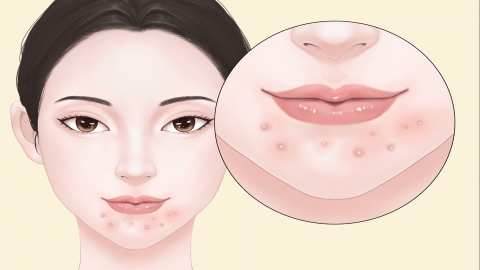
1. Vitamin deficiency: Long-term deficiency of B-complex vitamins and vitamin C in the diet may impair the normal metabolism and repair of oral mucosa, leading to dryness, cracking, and ulceration at the corners of the mouth. It is recommended to adjust the diet, consume more vitamin-rich foods such as whole wheat bread, oranges, and spinach. If necessary, vitamin supplements may be taken under a doctor's guidance to promote healing of the corners of the mouth.
2. Dry climate: In dry seasons, low air humidity causes rapid moisture loss from the lips and corners of the mouth, reducing skin elasticity and making them prone to cracking and bleeding. It is recommended to use lip balm to keep the lips moist, drink plenty of water to replenish fluids, and use a humidifier indoors to increase air humidity, alleviating dryness and promoting wound healing at the corners of the mouth.
3. Angular cheilitis: Angular cheilitis may be caused by malnutrition, infections, and other factors. Inflammatory stimulation damages the skin and mucous membranes at the corners of the mouth, possibly causing redness, erosion, crusting, and pain. Patients may use medications such as erythromycin ointment, clotrimazole cream, and B-complex vitamins under medical guidance to aid recovery.
4. Herpetic gingivostomatitis: This condition is usually caused by herpes simplex virus infection. The corners of the mouth may first develop clusters of small blisters, which rupture to form ulcers, accompanied by pain and fever. It is recommended to follow medical advice to use acyclovir tablets, penciclovir cream, and Kangfuxin solution to alleviate symptoms.
5. Diabetes: Poor blood sugar control in diabetic patients leads to decreased immunity, making bacterial and fungal infections more likely, which may cause ulceration at the corners of the mouth, often accompanied by excessive thirst, frequent urination, increased appetite, and weight loss. Patients may use medications such as metformin tablets, gliclazide tablets, and insulin under medical guidance to aid recovery.
In daily life, maintain adequate water intake, apply lip balm or moisturizing cream to the corners of the mouth to keep the lips moist. Avoid licking the lips, as enzymes in saliva may further irritate dry skin.
References:
[1] Qin Jingjie, Su Shu, Huang Mingbin, et al. Clinical study on Kanganqing granules combined with ganciclovir in the treatment of herpetic gingivostomatitis[J]. Modern Medicine and Clinical Research, 2024, 39(06): 1587-1591.
[2] Zong Xiaoyi. Clinical efficacy analysis of B-complex vitamins combined with Shengxuebao granules in the treatment of iron deficiency anemia complicated with angular cheilitis[J]. Medical Theory and Practice, 2023, 36(09): 1501-1503.


