


Why shouldn't you drink water before measuring blood glucose?

Generally, the reasons why water should not be consumed before measuring blood glucose include blood dilution, interference with metabolism, disruption of endocrine function, effects on gastrointestinal function, and induction of stress responses. The specific details are as follows:
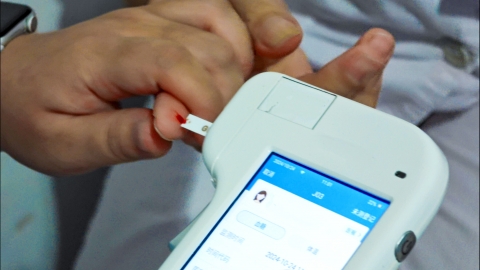
1. Blood Dilution
After drinking large amounts of water, the water quickly enters the bloodstream, lowering the relative concentration of various blood components, including glucose. Drinking water before testing may lead to a measured blood glucose level lower than the actual level, thus affecting the physician's assessment of true blood glucose levels.
2. Interference with Metabolism
Consuming excessive water in a short time may increase the metabolic burden on the kidneys, affecting metabolic processes such as filtration and reabsorption of glucose. When the kidneys process excess water, they may alter their normal handling of glucose, thereby affecting the accuracy of blood glucose measurements.
3. Disruption of Endocrine Function
Excessive water intake may cause changes in certain endocrine hormones in the body, such as antidiuretic hormone (ADH). Fluctuations in these hormones may indirectly affect glucose metabolism and regulation. A decrease in ADH secretion may affect the kidneys' reabsorption of water and glucose, leading to inaccuracies in blood glucose test results.
4. Effects on Gastrointestinal Function
Drinking large amounts of water may increase the volume of fluid in the gastrointestinal tract, accelerating gastrointestinal motility and emptying. This may alter the digestion and absorption of food, changing the normally stable process of glucose absorption and metabolism, thereby affecting the accuracy of blood glucose testing.
5. Induction of Stress Responses
Consuming large volumes of water within a short period may trigger a stress response in the body, causing the release of stress hormones. These hormones can stimulate the liver to release glucose, increasing blood sugar levels. However, this increase is caused by a stress reaction rather than representing the body's normal blood glucose level, thus interfering with the accuracy of blood glucose testing.
If experiencing extreme thirst, small amounts of unsweetened, unflavored plain water may be consumed, preferably avoiding drinking for a period before testing. Additionally, it is important to inform the physician about any water consumption to allow for this factor to be considered when interpreting the test results.


