


What diseases can mechanical sputum removal help prevent?
Mar 22, 2025
Source: Cainiu Health

Dr. Ren Yi
Introduction
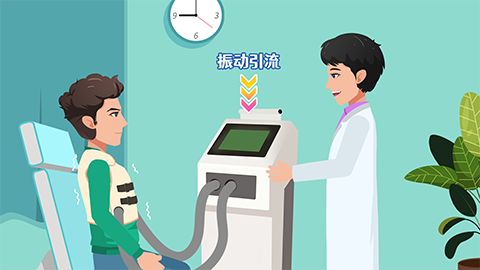
Under normal circumstances, mechanical sputum removal refers to mechanically assisted expectoration. Mechanical sputum removal can prevent diseases such as pneumonia, bronchitis, aspiration pneumonia, bronchiectasis, and respiratory failure. Mechanical sputum removal should be performed by a physician to ensure safety and effectiveness. At the same time, close attention should be paid to the patient's physical responses and changes in vital signs during mechanical sputum removal, and the treatment plan should be adjusted promptly.
Generally speaking, mechanical sputum removal refers to mechanical assisted expectoration. Mechanical sputum removal can help prevent diseases such as pneumonia, bronchitis, aspiration pneumonia, bronchiectasis, and respiratory failure. The specific details are as follows:
1. Pneumonia
Mechanical sputum removal can promptly clear secretions such as phlegm from the respiratory tract, reduce the growth and reproduction of pathogens like bacteria and viruses in the respiratory tract, and lower the risk of pathogens invading the lungs and causing pneumonia. It is especially effective in preventing the occurrence of hypostatic pneumonia and other conditions in patients who are bedridden for long periods, elderly, physically weak, or have weak coughing and expectoration abilities.
2. Bronchitis
Persistent accumulation of phlegm can irritate the bronchial mucosa, triggering an inflammatory response. If this continues long-term, it can easily lead to bronchitis. Mechanical sputum removal helps keep the bronchi clear, reducing irritation from phlegm on the bronchial mucosa, thereby preventing the occurrence of bronchitis or reducing its frequency of exacerbation.
3. Aspiration Pneumonia
For patients with swallowing dysfunction, aspiration of oropharyngeal secretions or gastric contents due to reflux can lead to aspiration pneumonia. Mechanical sputum removal reduces the accumulation of secretions in the oropharynx and respiratory tract, lowering the risk of aspiration and thus preventing the occurrence of aspiration pneumonia.
4. Bronchiectasis
Recurrent respiratory infections and poor drainage of phlegm are important causes of bronchiectasis. Mechanical sputum removal helps improve phlegm drainage, reducing the severity and frequency of respiratory infections, thus preventing the occurrence and progression of bronchiectasis to some extent and lowering the risk of complications related to bronchiectasis.
5. Respiratory Failure
When large amounts of phlegm accumulate in the respiratory tract, gas exchange can be affected, leading to insufficient oxygen intake and impaired carbon dioxide elimination, which may severely result in respiratory failure. Mechanical sputum removal can improve ventilation function, ensure normal gas exchange, maintain good respiratory function, and prevent respiratory failure caused by airway blockage due to phlegm.
Mechanical sputum removal should be performed by a physician to ensure safety and effectiveness. At the same time, close attention should be paid to the patient's physical responses and changes in vital signs during mechanical sputum removal, with timely adjustments to the treatment plan as needed.


