


What should Winter Melon and Meatball Soup not be consumed with?
Mar 22, 2025
Source: Cainiu Health

Dr. Yu Yongchao
Introduction
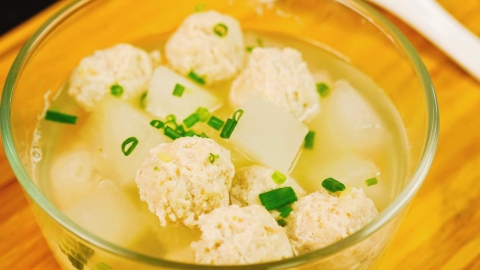
Under normal circumstances, winter melon meatball soup should not be consumed with vinegar, red adzuki beans, crucian carp, spinach, mutton, or other similar foods. It also should not be taken with medications such as furosemide tablets, sodium bicarbonate tablets, warfarin sodium tablets, levofloxacin tablets, and digoxin tablets. When consuming winter melon meatball soup, it is important to avoid combining it with these foods and medications to ensure nutritional value and food safety.
Generally, Donggua (wax gourd) meatball soup should not be consumed together with vinegar, red adzuki beans, crucian carp, spinach, lamb, or medications such as furosemide tablets, sodium bicarbonate tablets, warfarin sodium tablets, levofloxacin tablets, and digoxin tablets. Details are as follows:
I. Foods
1. Vinegar: Donggua contains various vitamins and minerals, while acetic acid in vinegar may react with nutrients in donggua, reducing its nutritional value. Adding vinegar during the preparation of donggua meatball soup may cause protein in the meatballs to coagulate, affecting texture, digestion, and nutrient absorption.
2. Red Adzuki Beans: Both donggua and red adzuki beans have diuretic and edema-reducing effects. When consumed separately, they offer certain health benefits. However, consuming them together may excessively enhance diuresis, leading to excessive loss of body fluids and potential electrolyte imbalance.
3. Crucian Carp: Donggua is cool in nature and has effects of clearing heat and promoting diuresis, while crucian carp is sweet and neutral, with functions of strengthening the spleen and relieving dampness. Consuming them together may allow donggua's cooling nature to counteract the nourishing effects of crucian carp. Consuming large amounts together may cause gastrointestinal discomfort, including indigestion, abdominal pain, and diarrhea.
4. Spinach: Spinach contains oxalic acid, while donggua contains calcium. When donggua meatball soup is consumed with spinach, oxalic acid may combine with calcium in donggua to form calcium oxalate. Long-term and excessive consumption may increase the risk of kidney stones and reduce calcium absorption from donggua.
5. Lamb: Lamb is warm in nature and has functions of warming the middle jiao and nourishing deficiencies, while donggua is cold in nature. Consuming them together may cause their opposing thermal properties to interfere with each other's therapeutic effects. This may lead to disharmony of cold and heat in the body, potentially causing gastrointestinal discomfort and other issues.
II. Medications
1. Furosemide Tablets: Furosemide is a potent diuretic, and donggua itself also has diuretic properties. Consuming large amounts of donggua meatball soup while taking furosemide may excessively enhance diuresis, leading to significant loss of body fluids and electrolytes, causing dehydration, hypokalemia, hyponatremia, and other electrolyte imbalances, manifesting as fatigue, muscle cramps, arrhythmia, and other symptoms.
2. Sodium Bicarbonate Tablets: Sodium bicarbonate is used to regulate acid-base balance in the body. Consuming it with donggua meatball soup may cause adverse reactions. Certain components in donggua may interact with sodium bicarbonate, affecting drug absorption and efficacy. Additionally, changes in acid-base balance may affect normal physiological functions, potentially causing gastrointestinal discomfort and metabolic disturbances.
3. Warfarin Sodium Tablets: Warfarin is an anticoagulant used for the prevention and treatment of thromboembolic diseases. Donggua contains vitamin K, which can affect the anticoagulant effect of warfarin. Consuming large amounts of donggua meatball soup during warfarin therapy may weaken warfarin’s anticoagulant effect, increasing the risk of thrombosis.
4. Levofloxacin Tablets: Metal ions in donggua may undergo chelation reactions with quinolone drugs like levofloxacin, forming poorly absorbed complexes. This reduces the bioavailability of levofloxacin, preventing it from reaching effective blood concentrations and affecting its anti-infective therapeutic effects.
5. Digoxin Tablets: Donggua is rich in potassium. Patients taking digoxin who simultaneously consume excessive potassium may experience altered digoxin blood concentrations and efficacy. This may also increase the risk of digoxin toxicity, causing symptoms such as nausea, vomiting, and arrhythmia.
When consuming donggua meatball soup, it is important to avoid simultaneous consumption with these foods and medications to ensure its nutritional value and food safety.



