


Why does drinking more water lead to increased urination?

Generally, increased water intake leading to increased urination may be caused by factors such as increased fluid consumption, environmental factors, urinary tract infections, diabetes mellitus, diabetes insipidus, and other reasons. The solution depends on the specific cause and should be determined accordingly. Prompt medical consultation is necessary, and treatment should follow medical advice. Details are as follows:
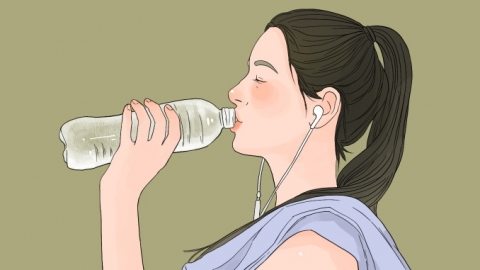
1. Increased fluid intake: When the body consumes excessive amounts of water, the kidneys accelerate water metabolism to maintain fluid balance, expelling the excess water in the form of urine. Therefore, increased water intake leads to increased urine output, which is a normal physiological phenomenon. No special treatment is required; appropriately controlling fluid intake can alleviate symptoms.
2. Environmental factors: In cold environments, the body reduces perspiration to maintain body temperature, causing excess water to be primarily excreted through urine. Additionally, cold environments may stimulate the kidneys to accelerate metabolism, further increasing urine output. It is important to keep warm and reduce the body's exposure to cold stimuli. Fluid intake can be appropriately reduced to avoid the inconvenience caused by excessive urination.
3. Urinary tract infection: Urinary tract infections are inflammations caused by pathogens growing and reproducing in the urinary tract. These pathogens may include bacteria, viruses, fungi, and others. Inflammation irritates the urinary mucosa, causing symptoms such as frequent urination, urgency, and dysuria, which may also be accompanied by pain. Antibiotic treatment with medications such as amoxicillin capsules, penicillin V potassium tablets, norfloxacin capsules should be administered under medical guidance.
4. Diabetes mellitus: Diabetes is a metabolic disorder characterized by high blood glucose levels. When blood sugar rises, the osmotic pressure of the blood increases, and the kidney's reabsorption capacity for glucose reaches its limit, causing excess glucose to be excreted in the urine, taking with it large amounts of water, leading to polyuria and frequent urination, which may also be accompanied by thirst. Antidiabetic medications such as acarbose capsules, glimepiride tablets, and gliquidone tablets should be used under medical guidance to lower blood glucose levels.
5. Diabetes insipidus: Diabetes insipidus is a condition caused by insufficient secretion of antidiuretic hormone (ADH) or inadequate renal response to ADH. A deficiency of ADH leads to impaired water reabsorption by the kidneys, resulting in excessive urination, which may also be accompanied by polydipsia. Treatment with medications such as hydrochlorothiazide tablets, carbamazepine tablets, and Jin Kui Shen Qi pills should be administered under medical guidance to increase water reabsorption by the kidneys and reduce urine output.
When this symptom occurs, analysis and judgment should be made according to specific circumstances, and appropriate treatment measures should be taken promptly.
References
[1] Ge Junbo, Xu Yongjian. Textbook of Internal Medicine [M]. People's Medical Publishing House, 2018.
[2] Chinese Diabetes Society. Guidelines for the Prevention and Treatment of Type 2 Diabetes in China (2020 Edition). Chinese Journal of Diabetes Mellitus, 2021.


