


What causes blood clots during menstruation?

Menstrual blood clots may be caused by prolonged sitting, getting chilled, emotional fluctuations, endometritis, or endometriosis, and can be managed according to different situations. If discomfort occurs, it is recommended to seek timely medical consultation to clarify the condition and follow medical advice for treatment to avoid delaying the illness.
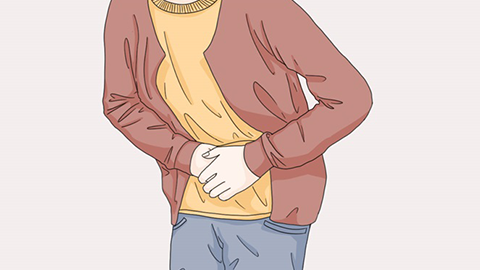
1. Prolonged Sitting: Sitting for long periods during menstruation may cause menstrual blood to accumulate in the uterine cavity, forming blood clots when expelled. It is advisable to increase physical activity moderately during menstruation, such as walking 15-20 minutes per session, 3-4 times daily, to promote smooth menstrual discharge.
2. Getting Chilled: Consuming cold beverages or getting chilled in the abdominal area during menstruation may lead to blood stasis due to cold, causing menstrual blood to coagulate into clots. It is important to stay warm, especially in the abdominal area. Applying a hot water bag for 20-30 minutes per session, 2-3 times daily, and drinking more warm brown sugar water may help.
3. Emotional Fluctuations: Stress, anxiety, and other negative emotions may affect the endocrine system, causing poor menstrual discharge and resulting in blood clots. Emotional regulation through listening to music, practicing yoga, maintaining a cheerful mood, and alleviating menstrual discomfort may be beneficial.
4. Endometritis: Infections of the endometrium by pathogens such as bacteria cause inflammation, which stimulates abnormal shedding of the endometrium, leading to blood clots in menstrual blood, often accompanied by symptoms such as abdominal pain and fever. It is recommended to take anti-inflammatory medications like metronidazole tablets, levofloxacin hydrochloride capsules, and Fuke Qianjin tablets under medical guidance to alleviate symptoms.
5. Endometriosis: Endometriosis refers to the growth of endometrial tissue outside the uterus, such as on the ovaries, fallopian tubes, or pelvic cavity, which may lead to menstrual irregularities. Menstrual blood cannot be expelled normally from the body, making it prone to form clots. Patients should follow medical advice to take medications such as gestrinone capsules, norethisterone tablets, and dydrogesterone tablets to relieve discomfort.
In daily life, women are advised to maintain good habits, avoid excessive fatigue and emotional fluctuations.
References:
[1] Pan Qiaoling, Chen Xuhua, He Zhongping, et al. Experience and treatment effectiveness of prolonged menstruation caused by cesarean section scar diverticulum[J]. Mingyi (Famous Doctors), 2024, (10): 153-155.
[2] Lin Xingzhe, Li Jun. Effect of progestin therapy on menstrual disorders in perimenopausal women with complex endometrial hyperplasia[J]. Shenzhen Journal of Integrated Traditional Chinese and Western Medicine, 2024, 34(20): 100-103.


