


What causes excessive flatulence without bowel movements?

Flatulence refers to gas expulsion. Excessive gas release without bowel movements may be caused by an improper diet structure, lack of physical activity, poor bowel habits, indigestion, or intestinal flora imbalance. Appropriate treatments can be selected based on specific situations. If physical discomfort occurs, it is recommended to seek medical attention promptly and follow medical advice for treatment.
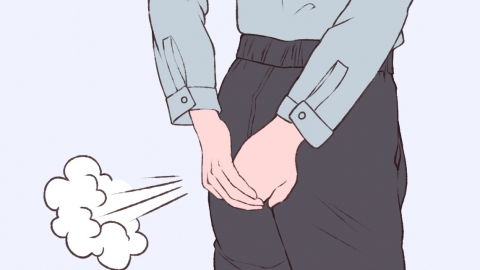
1. Improper diet structure: Insufficient intake of dietary fiber and excessive consumption of refined foods can slow intestinal peristalsis, causing dry, hard stools that are difficult to expel, while gas can still be expelled normally. Adjust your diet by consuming more fiber-rich foods such as oats, celery, and apples, aiming for a daily intake of 25-30 grams. Additionally, drink plenty of water to aid intestinal peristalsis and soften stools.
2. Lack of physical activity: Prolonged sitting can cause intestinal smooth muscle relaxation and weakened peristalsis, resulting in accumulated stools that are difficult to expel, although gas can still be released. Regular physical activity is necessary, including at least 150 minutes of moderate-intensity aerobic exercise weekly, such as brisk walking or jogging. Additionally, abdominal massage in a clockwise direction for 10-15 minutes, one to two times daily, can stimulate intestinal peristalsis.
3. Poor bowel habits: Frequently suppressing bowel movements reduces rectal sensitivity to feces and weakens the defecation reflex. Inattention and prolonged time on the toilet during defecation can also affect normal bowel movements, leading to stool accumulation and increased gas expulsion. Establish regular bowel habits, avoid suppressing bowel movements, limit bowel time to within five minutes, and maintain focus during defecation.
4. Indigestion: Overeating or consuming hard-to-digest foods can cause food to remain in the gastrointestinal tract for extended periods without timely digestion and absorption. Fermentation of food in the intestines produces increased gas, while slowed intestinal peristalsis causes difficulty in stool passage. It is recommended to take medications such as lactozyme tablets, multienzyme tablets, or Jianwei Xiaoshi tablets under a doctor's guidance to alleviate symptoms.
5. Imbalance of intestinal flora: Long-term antibiotic use, unbalanced diet, or intestinal infections can disrupt the balance of intestinal flora, reducing beneficial bacteria and increasing harmful bacteria. This imbalance affects digestion and peristalsis, causing excessive gas expulsion without bowel movements, often accompanied by bloating and abdominal pain. Patients may take medications such as Bifidobacterium quadruple viable tablets, Bacillus licheniformis viable capsules, or Bacillus subtilis bifidobacterium viable granules under a doctor's guidance to regulate the flora.
In daily life, maintaining healthy habits is recommended to support the health of the digestive system.


