


What causes pain on both sides of the chest?

Pain on both sides of the chest may be caused by sports injuries, poor posture, ill-fitting undergarments, pleurisy, or mammary gland hyperplasia. Appropriate management can be selected according to the specific situation. If experiencing any physical discomfort, it is recommended to seek medical attention at a hospital promptly and follow the doctor's instructions for treatment.
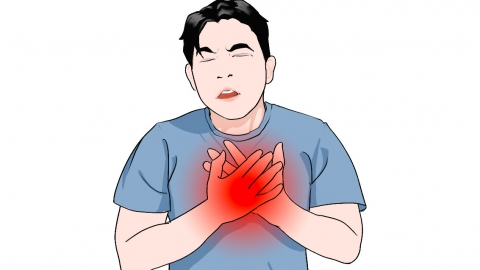
1. Sports injuries: Performing exercises such as chest expansions or push-ups with excessive intensity, incorrect posture, or insufficient warm-up may easily strain the muscles on both sides of the chest, causing pain. After an injury, stop exercising immediately. Apply cold compresses within the first 72 hours to reduce swelling, followed by heat compresses to promote circulation. During recovery, gentle stretching may be performed, but avoid excessive force to aid muscle repair.
2. Poor posture: Prolonged desk work, slouching, or maintaining the same posture for extended periods can cause continuous tension in the chest muscles, resulting in pain. Maintain an upright posture with the chest out and eyes forward while working, get up and move around periodically, and perform shoulder rotations and chest stretches. Practicing yoga or Pilates regularly can strengthen muscles and improve posture.
3. Ill-fitting undergarments: Men wearing tight undershirts and women wearing improperly sized or overly tight bras may experience compression on both sides of the chest, affecting blood circulation and causing pain. Choose undergarments of appropriate size that are comfortable and breathable. Men should opt for loose cotton undershirts, while women should select bras that fit their bust measurements with appropriate cup sizes and shoulder straps. Avoid wearing tight clothing frequently to allow space for the chest.
4. Pleurisy: Pleurisy can be caused by infection with tuberculosis bacteria, other bacteria, viruses, or autoimmune diseases. Inflammation stimulates the pleura, causing sharp or pulling pain on both sides of the chest that worsens during breathing, coughing, or turning the body. It is often accompanied by fever, cough, and phlegm production. It is recommended to take medications such as metronidazole tablets, tinidazole capsules, or penicillin G sodium for injection under a doctor's guidance to alleviate symptoms.
5. Mammary gland hyperplasia: Men may develop gynecomastia due to endocrine disorders and relatively elevated estrogen levels. Women are susceptible to mammary gland hyperplasia due to endocrine factors, mental stress, lifestyle habits, and other influences. Lumps or nodules with pain may be felt on both sides of the chest, with the severity and size of the lumps varying with the menstrual cycle. Patients may follow medical advice to use medications such as Xiaoyao Pills, Rupixiaoxiao Tablets, or Xiaojin Pills for relief.
Learning relaxation techniques such as deep breathing, meditation, or yoga and seeking help from a psychotherapist if necessary may also help improve the condition.


