


What are the reasons for severe hair loss?

Severe hair loss may be caused by nutritional deficiencies, mental stress, frequent perming or dyeing, seborrheic dermatitis, or androgenetic alopecia, and management should be based on the specific situation. If discomfort occurs, prompt medical consultation is recommended to avoid delays in treatment.
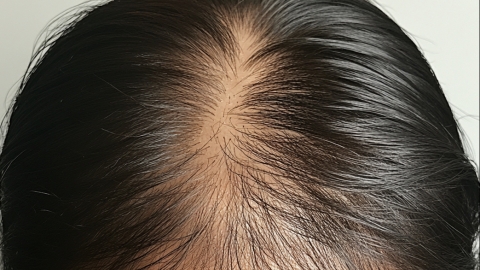
1. Nutritional deficiencies: Long-term imbalanced diets lacking in nutrients such as protein, B vitamins, iron, and zinc can affect hair growth and lead to fragile, easily脱落 hair. It is important to adjust dietary habits, ensuring sufficient intake of protein-rich foods such as lean meat, fish, and legumes, as well as fresh fruits and vegetables. Nutritional supplements may be taken under a doctor's guidance if necessary.
2. Mental stress: Prolonged anxiety, tension, and unrelieved psychological stress can disrupt the endocrine system, affect follicle health, push hair into the telogen phase, and cause significant hair loss. Stress can be relieved through exercise, meditation, listening to music, maintaining a positive mindset, and establishing regular sleep patterns to promote endocrine stability and improve hair loss.
3. Frequent perming or dyeing: Chemical agents in dyes and perms can damage hair structure, harm hair follicles, cause dryness and breakage, and worsen hair loss. Reduce the frequency of chemical treatments to allow sufficient time for hair to recover naturally. Use conditioners and hair masks regularly, and maintain a routine of professional hair care treatments.
4. Seborrheic dermatitis: Excessive sebum production and overgrowth of Malassezia yeast can cause inflammation, resulting in an itchy, oily scalp and significant hair loss, often accompanied by red patches and scaling. Patients may use selenium sulfide shampoo, ketoconazole shampoo, vitamin B6 tablets, or other medications under a doctor's supervision to alleviate symptoms.
5. Androgenetic alopecia: This condition is related to genetic factors and androgen levels. Dihydrotestosterone, a metabolite of androgens, acts on hair follicles, causing miniaturization, gradual thinning and softening of hair, and eventual hair loss. In men, it typically presents as a receding hairline in the forehead and temple areas and baldness on the crown; in women, it often manifests as thinning of hair on the crown. Patients may use medications such as finasteride tablets, spironolactone tablets, or minoxidil solution as directed by a physician to relieve symptoms.
In daily life, proper hair care is recommended, including using warm—not excessively hot—water when washing hair. Regular physical activity is also beneficial for overall health.


