


What causes vertical ridges on fingernails?

Vertical lines on fingernails may be caused by bodily aging, long-term sleep deprivation, dehydration, onychomycosis (fungal nail infection), or lichen planus. Management should be based on the specific situation. If physical discomfort occurs, it is recommended to seek medical attention at a hospital promptly and follow the doctor's instructions for treatment.
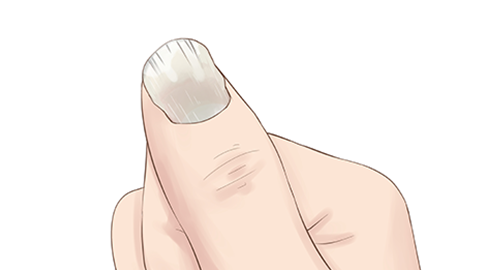
1. Bodily aging: With increasing age, functions of various organs gradually decline, nail metabolism slows down, and keratinocytes are no longer tightly arranged, making vertical lines more likely to appear. This is a normal physiological phenomenon. In daily life, one can consume more collagen-rich foods such as pig trotters and fish skin, while maintaining hand hydration by applying hand cream to preserve nail flexibility.
2. Long-term sleep deprivation: Frequent late nights and poor sleep quality can disrupt the body's endocrine system and metabolism, affecting nail health and causing vertical lines to appear. It is important to adjust sleep schedules, ensure 7-8 hours of high-quality sleep daily, develop regular sleeping habits, allow the body sufficient rest, and help nails return to a normal condition.
3. Dehydration: Insufficient water intake and bodily dehydration can lead to moisture loss in the nails, making them dry and prone to developing vertical lines. Daily water intake should be increased, aiming for at least 1500-2000 milliliters per day to maintain the body's water balance. Regular use of nail care oils can also help moisturize the nails.
4. Onychomycosis: After fingernails come into contact with fungi, fungal growth and infection may occur, causing vertical lines on the nails, accompanied by symptoms such as skin redness and pus formation. It is recommended to follow medical advice and use antifungal medications like itraconazole capsules, terbinafine hydrochloride tablets, or griseofulvin tablets for treatment.
5. Lichen planus: This condition may be related to factors such as immunity, genetics, and infection. When nails are affected, they may develop longitudinal ridges, become thinner, and rougher. In severe cases, nails may atrophy or fall out, and the skin may present with purplish-red flat papules and itching. Patients can follow medical advice to use medications such as tretinoin cream, tacrolimus ointment, or prednisone acetate tablets to alleviate discomfort.
In daily life, it is recommended to maintain nail cleanliness and hygiene and ensure balanced nutrient intake to support nail health.


