What causes diarrhea in the morning?
Mar 24, 2025
Source: Cainiu Health

Dr. Shen Yonghua
Introduction
Diarrhea refers to loose, watery stools. In general, morning diarrhea may be caused by improper diet, abdominal coldness, irritable bowel syndrome, food poisoning, acute gastroenteritis, or other factors, and requires symptomatic management through general treatments, medication, and other methods. In daily life, it is important to maintain a balanced diet and consume more fiber-rich foods, which can help support digestive system health.
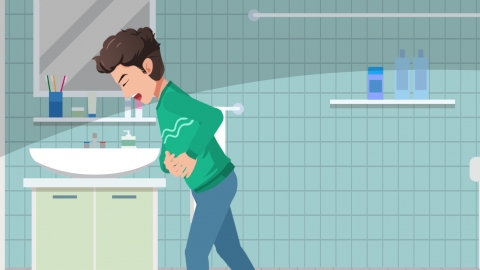
"Diarrhea" refers to diarrhea. Generally, morning diarrhea may be caused by improper diet, abdominal cold, irritable bowel syndrome, food poisoning, acute gastroenteritis, and other factors. Symptomatic treatment through general therapy, medication, and other methods is needed. If discomfort occurs, it is recommended to seek timely medical attention and undergo corresponding treatment under the guidance of a physician. Detailed analysis is as follows:
1. Improper Diet
Consuming excessive greasy, spicy, or cold foods the previous night may lead to diarrhea the next morning. These foods can stimulate the gastrointestinal tract, accelerating peristalsis and causing diarrhea, possibly accompanied by symptoms such as abdominal pain and bloating. It is recommended to adjust the dietary structure and avoid excessive intake of greasy, spicy, or cold foods.
2. Abdominal Cold Exposure
Exposure of the abdomen to cold during sleep at night may cause increased intestinal peristalsis, resulting in morning diarrhea the next day, possibly accompanied by abdominal discomfort and increased bowel sounds. Attention should be paid to keeping the abdomen warm to avoid cold exposure during sleep. Applying a hot water bag to the abdomen during diarrhea can help relieve intestinal spasms and discomfort.
3. Irritable Bowel Syndrome
Irritable bowel syndrome may be related to abnormal intestinal motility, visceral hypersensitivity, psychological factors, and others. Upon waking in the morning, increased natural intestinal peristalsis may trigger symptom onset, often accompanied by abdominal pain, abdominal discomfort, and changes in bowel habits. It is recommended to use medications such as mebeverine hydrochloride tablets, alverine citrate capsules, and pinaverium bromide tablets under the guidance of a physician for treatment.
4. Food Poisoning
Consumption of spoiled or contaminated food the previous night may introduce pathogenic bacteria or their toxins into the body, which can irritate the intestinal mucosa, induce an inflammatory response, and lead to diarrhea, possibly accompanied by severe abdominal pain, nausea, and vomiting. It is recommended to follow medical advice and use medications such as minocycline hydrochloride capsules, levofloxacin lactate capsules, and Niuhuang Jiedu tablets to alleviate symptoms.
5. Acute Gastroenteritis
Viral, bacterial, or other microbial infections can cause acute gastroenteritis. In this case, pathogens release toxins that damage the intestinal mucosal barrier and stimulate excessive fluid secretion in the intestine, leading to diarrhea, possibly accompanied by fever, nausea, vomiting, and abdominal pain. It is recommended to use oral rehydration salts, norfloxacin capsules, and loperamide capsules under the guidance of a physician for treatment.
In daily life, it is important to maintain a balanced diet and consume more fiber-rich foods to help maintain digestive system health.
References
[1] Lu Peiyong. Solving Puzzles for Patients with Digestive Diseases [J]. Health of the Chinese People's Liberation Army, 2015, (04):42-43.
[2] Song Caiyun, Lan Qiaoli, Lin Xiaoxiao, et al. Analysis of intestinal flora characteristics in diarrhea-predominant irritable bowel syndrome based on 16S rDNA [J]. China Modern Doctor, 2025, 63(05):42-44.