


Excessive Flatulence: Why Do I Fart So Much?

Flatulence refers to gas expulsion, and excessive or frequent gas expulsion may be caused by eating too quickly, consuming excessive gas-producing foods, abdominal cold exposure, indigestion, or intestinal flora imbalance. Management can vary depending on the specific situation. If discomfort occurs, it is recommended to seek medical attention promptly, clarify the condition, and follow medical advice for treatment to avoid delaying the condition.
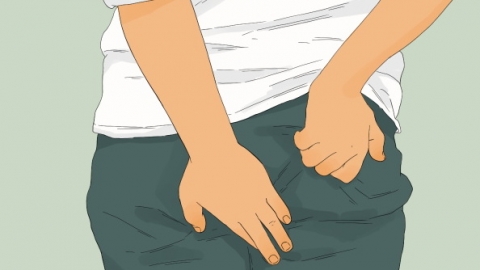
1. Eating too quickly: Eating too fast can cause large amounts of air to enter the gastrointestinal tract along with food, leading to frequent gas expulsion. Slow down your eating pace, chew food thoroughly, and aim to chew each bite 15-20 times. This not only aids digestion but also reduces swallowed air.
2. Consuming excessive gas-producing foods: Foods such as beans, onions, and sweet potatoes produce significant gas when decomposed and fermented by bacteria in the intestines, leading to increased flatulence. Reduce intake of these foods appropriately, maintain a balanced diet, and consume more easily digestible, low-gas-producing foods such as vegetables, fruits, and whole grains.
3. Abdominal cold exposure: Cold stimulation to the abdomen can accelerate gastrointestinal motility, increasing gas production and expulsion. Keep the abdomen warm, adjust clothing according to weather changes, cover adequately during sleep, and apply a hot water bag to the abdomen for 15-20 minutes, 2-3 times daily, to relieve gastrointestinal spasms and reduce gas production.
4. Indigestion: Weakened gastrointestinal motility or insufficient digestive enzyme secretion may prevent adequate digestion and absorption of food in the gastrointestinal tract, prolonging its retention time and causing fermentation and gas production. Symptoms may include bloating, increased flatulence, loss of appetite, and nausea. It is recommended to use medications such as domperidone tablets, Jianwei Xiaoshi tablets, or compound digestive enzyme capsules under a doctor's guidance to alleviate symptoms.
5. Intestinal flora imbalance: Long-term antibiotic use, irregular eating habits, intestinal infections, and other factors can disrupt the balance of normal intestinal flora, allowing harmful bacteria to proliferate and increasing gas production. This may manifest as frequent flatulence, possibly accompanied by abdominal pain, diarrhea, or constipation. Patients may follow medical advice to use medications such as Bifidobacterium quadruple strain tablets, Bacillus licheniformis capsules, or lactobacillus tablets to relieve discomfort.
In daily life, maintaining good posture and avoiding slouching can also help reduce swallowed air.
References:
[1] Wang Bo. Expert Recommendations on Rational Medication Use for Chinese Families with Indigestion (Popular Science Practice Edition) [J]. Gastroenterology, 2024, 29(06): 334-339.
[2] Liu Meng, Zhang Guo'an, Guo Qingwei, et al. Research Progress on the Relationship Between Intestinal Flora Imbalance and Infectious Diseases [J]. Chinese Journal of Pathogenic Biology, 2025, 20(02): 262-266+271. DOI:10.13350/j.cjpb.250226.


