


What causes stomach pain that feels like hunger?
Mar 28, 2025
Source: Cainiu Health

Dr. Shen Yonghua
Introduction
In general, stomach pain that feels like hunger may be caused by gastric discomfort due to hunger itself, irregular eating habits, gastroesophageal reflux, chronic gastritis, gastric ulcers, or other similar conditions. Symptomatic management usually involves general treatments and medication. In daily life, it is recommended to adjust eating habits, avoid excessive consumption of alcoholic beverages, coffee, and other stimulants, and maintain a healthy psychological state.
Generally, stomach pain resembling hunger may be caused by factors such as gastric discomfort due to hunger, irregular eating habits, gastroesophageal reflux, chronic gastritis, or gastric ulcers. Symptomatic management through general treatments and medication may be necessary. If discomfort occurs, prompt medical treatment at a hospital is recommended. A detailed analysis follows:
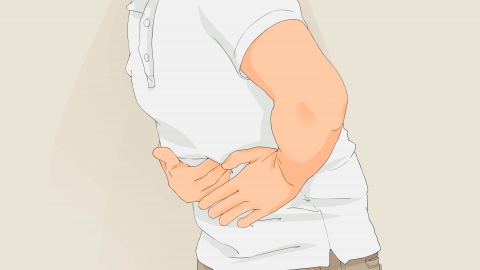
1. Gastric Discomfort Due to Hunger
When food intake is prolonged or insufficient, the stomach may produce a feeling of hunger due to lack of food stimulation, which can lead to pain. This pain typically presents as intermittent cramping, similar to the sensation of being hungry, and may be accompanied by feelings of emptiness or discomfort in the stomach. It is recommended to eat适量 food, choosing bland and easily digestible options, and avoiding excessive hunger or overeating.
2. Irregular Eating Habits
Long-term irregular eating patterns, such as frequently skipping breakfast, eating dinner too late, or overeating, can disrupt the normal physiological rhythm of the stomach, leading to abnormal gastric acid secretion and causing stomach pain. Symptoms may include gastric discomfort, acid regurgitation, and belching. It is important to adjust eating habits, maintain regular meal times, and reduce intake of greasy, spicy, and other irritating foods.
3. Gastroesophageal Reflux
Gastroesophageal reflux is associated with dysfunction of the lower esophageal sphincter and decreased esophageal clearance, causing gastric acid to flow back into the esophagus, eroding the esophageal mucosa, and resulting in pain that often worsens when the stomach is empty. Symptoms may include retrosternal burning sensation, belching, and difficulty swallowing. It is recommended to take medications such as cisapride tablets, esomeprazole magnesium enteric-coated tablets, or rabeprazole sodium enteric-coated tablets under medical guidance.
4. Chronic Gastritis
Chronic gastritis is mainly caused by Helicobacter pylori infection, drug irritation, poor dietary habits, and other factors. In such cases, the gastric mucosa becomes congested and edematous, and may even develop erosion or bleeding. When the stomach is empty, gastric acid directly affects the inflamed areas, causing pain, which may be accompanied by symptoms such as bloating, acid regurgitation, and loss of appetite. It is recommended to follow medical advice and take medications such as mosapride citrate tablets, amoxicillin capsules, or pantoprazole enteric-coated tablets to alleviate symptoms.
5. Gastric Ulcer
Long-term alcohol consumption, smoking, and eating spicy foods can damage the protective mechanisms of the gastric mucosa, leading to gastric ulcers. Gastric acid then directly erodes the ulcer site, causing pain, especially noticeable when the stomach is empty, and may be accompanied by nausea, vomiting, and indigestion. It is recommended to take medications such as omeprazole enteric-coated capsules, hydrotalcite chewable tablets, or ranitidine tablets under medical supervision.
In daily diet, it is recommended to adjust eating habits, avoid excessive alcohol, coffee, and other irritating beverages, and maintain a positive mental state.
References
[1] Cha Lide, Li Chen. How to Prevent Common Gastrointestinal Diseases [J]. Family Medicine. Happy Health, 2025, (01): 37.
[2] Xi Xiaohou, Zhang Mingxin, Lin Qiang, et al. Advances in Diagnosis and Treatment of Gastroesophageal Reflux Disease [J]. Chinese Journal of Gastroenterology and Hepatology, 2025, 34(02): 297-302.







